
Understanding the Four Stages of Perimenopause
Perimenopause is a natural transitional phase in our life marked by hormonal fluctuations as our body gradually moves toward menopause. It can be divided into four stages, each characterized by distinct changes and symptoms. However, remember that we are all individual and everyone’s experience of these stages are not the same.
Very Early Perimenopause
The very early perimenopause transition begins with subtle changes while menstrual cycles remain regular or normal for the individual. You may notice symptoms such as anxiety, mood swings, heavier periods, worsening PMS, alcohol intolerance, fatigue, and difficulty losing weight. These early signs reflect the beginning of hormonal shifts, particularly in estrogen levels.
- Periods remain regular or normal but subtle changes begin.
- Symptoms include anxiety, mood changes, worsening PMS, heavier periods, shorter cycles, alcohol intolerance, loss of self-confidence, and fatigue.
- Weight gain and difficulty losing weight may start.
- These symptoms are often mild and can be mistaken for other issues.
Early Perimenopause
As women enter the early perimenopause transition, menstrual cycles become noticeably irregular, varying by at least 6-7 days. Estrogen levels fluctuate widely and can even peak higher than before, while progesterone tends to be low, leading to symptoms of estrogen dominance. These include breast pain, heavy periods, migraines, irritability, fatigue, weight gain, and new food intolerances. Sleep disturbances and a decrease in libido may also appear during this stage.
- Menstrual cycles start to vary by 6-7 days or more, becoming irregular.
- Estrogen fluctuates and can be higher than before, while progesterone is low, causing estrogen dominance symptoms such as:
- Breast pain and tenderness
- Heavy or prolonged periods
- Migraines
- Irritability, mood swings, and fatigue
- Weight gain
- New allergies or food intolerances
- Sleep disturbances and lower sex drive may begin.
Late Perimenopause transition
The late perimenopause transition is marked by more pronounced irregularity or absence of periods for extended times (sometimes over 60 days). Estrogen levels generally decline, causing classic menopausal symptoms such as hot flushes, night sweats, vaginal dryness, muscle and joint aches, brain fog, mood swings, and persistent fatigue. Weight gain and anxiety are common, and sleep problems often worsen.
- Periods become very irregular or may skip for over 60 days.
- Estrogen levels decline overall, leading to classic menopausal symptoms:
- Hot flashes and night sweats
- Vaginal dryness and atrophy causing discomfort during sex
- Muscle and joint aches and pains
- Fatigue and brain fog (memory and concentration difficulties)
- Mood swings and irritability
- Continued weight gain
- Anxiety and sleep problems often worsen.
Late Perimenopause
Finally, in late perimenopause, menstruation has mostly or completely ceased, though menopause is not officially reached until 12 months without a period. Symptoms like hot flushes and vaginal dryness may continue, sometimes intermittently. Mood and sleep disturbances may persist but can stabilize somewhat. Hormone levels remain low but may still fluctuate, contributing to ongoing symptoms.
- Menstrual periods have mostly or completely stopped but menopause is not yet confirmed (12 months without periods).
- Symptoms like hot flashes may continue, sometimes cyclically or randomly.
- Vaginal dryness, mood changes, and sleep issues may persist but sometimes stabilize.
- Fatigue and brain fog can remain.
- Hormone levels are low but may still fluctuate, so symptoms vary.
Summary Table of Main Symptoms by Stage
| Stage | Main Symptoms |
|---|---|
| Very Early Perimenopause | Anxiety, mood changes, heavier periods, PMS worsening, alcohol intolerance, fatigue |
| Early Perimenopause | Irregular cycles, breast pain, heavy periods, migraines, irritability, fatigue, weight gain |
| Late Perimenopause | Hot flashes, night sweats, vaginal dryness, muscle/joint pain, brain fog, mood swings |
| Late Perimenopause | Absent periods, persistent hot flashes, vaginal dryness, mood and sleep issues, fatigue |
These symptoms reflect the hormonal fluctuations and gradual decline in ovarian function that characterize perimenopause. Individual experiences vary widely, with some having mild symptoms and others experiencing significant impacts on daily life.
The symptoms of perimenopause do not miraculous end after 12 months of no menstrual periods when women move into the postmenopausal time of their life. Symptoms may continue or ease.
Looking at Perimenopause from Chinese Medicine Perspective
From the perspective of Traditional Chinese Medicine (TCM), perimenopause is viewed as a complex imbalance primarily involving the Kidney system, which governs growth, development, and reproduction.
The menstrual cycle is seen as a reflection of the body’s overall balance of Yin and Yang energies. During perimenopause, disruptions such as Kidney Yin or Yang deficiency, Liver Qi stagnation, and imbalances in blood essence contribute to symptoms like irregular periods, heavy bleeding, mood swings, and fatigue.
TCM aims to restore harmony through personalized herbal formulas that nourish Yin, tonify the Kidneys, and regulate Liver Qi, alongside acupuncture to stimulate specific points related to hormonal balance and reproductive health.
Dietary recommendations focus on nourishing Yin energy with foods like leafy greens, fruits, and healthy fats while avoiding spicy and greasy foods that exacerbate imbalances.
TCM also emphasizes stress reduction techniques such as meditation and gentle exercise to promote smooth Qi flow and emotional well-being during perimenopause. This holistic approach addresses not only physical symptoms but also emotional and spiritual health, empowering women to navigate this life stage with greater balance and vitality.
Perimenopause involves a progression from subtle hormonal changes with mild symptoms to more pronounced hormonal decline and classic menopausal symptoms, while TCM provides a holistic framework to understand and treat these changes by restoring energetic and organ system balance. This integrative approach can complement Western medical treatments to ease the transition and improve quality of life.
Perimenopause is a gradual transition marked by hormonal fluctuations and changes in menstrual cycle patterns, progressing from subtle early signs with regular periods to irregular or absent periods and declining hormone levels just before menopause itself. Each stage reflects different hormonal dynamics and symptom profiles as the body moves toward the end of reproductive capacity.
How does Chinese Medicine View the Stages of Perimenopause
Traditional Chinese Medicine (TCM) views the stages of perimenopause as part of a natural, cyclical progression in a woman’s life, deeply connected to the body’s energetic systems—particularly the Kidneys, Liver, and the balance of Yin and Yang. Unlike Western medicine, which often focuses on hormonal levels and symptom management, TCM interprets perimenopause as a transition reflecting the gradual depletion of Kidney energy (shen qi or Jing), which governs reproductive vitality and overall aging.
TCM conceptualizes a woman’s health in seven-year cycles, with perimenopause typically occurring around the fifth and sixth cycles (approximately ages 35 to 49). During the early stage of perimenopause (around 35 to early 40s), Yang energy begins to decline, signaling the start of subtle changes such as fatigue, mood shifts, and early signs of hormonal imbalance. This phase is seen as a time for self-reflection and strengthening the main organs (Kidneys, Liver, Spleen) to prepare the body for the upcoming transition.
As women enter the middle stage (early to mid-40s), Liver Qi stagnation often becomes prominent, reflecting emotional disturbances like irritability and mood swings, while Kidney Yin begins to decline, leading to symptoms such as irregular periods and hot flashes. The Liver’s role in ensuring smooth Qi and blood flow is crucial here, and its stagnation can exacerbate perimenopausal symptoms.
In the late stage approaching menopause (late 40s to early 50s), Kidney Yin and Yang are further depleted, and the Ren and Chong meridians—which regulate menstruation and fertility—are considered to be exhausted. This depletion manifests as more pronounced symptoms: night sweats, vaginal dryness, insomnia, and emotional instability. The body’s Yin-Yang balance is disturbed, often resulting in internal heat symptoms (hot flashes) due to Yin deficiency failing to cool Yang.
Throughout these stages, TCM treatments focus on tonifying the Kidneys to replenish Jing, harmonizing the Liver to relieve Qi stagnation, and balancing Yin and Yang energies to restore overall homeostasis. Acupuncture, herbal medicine, dietary adjustments, and lifestyle recommendations are tailored to the individual’s specific energetic imbalances and symptom patterns.
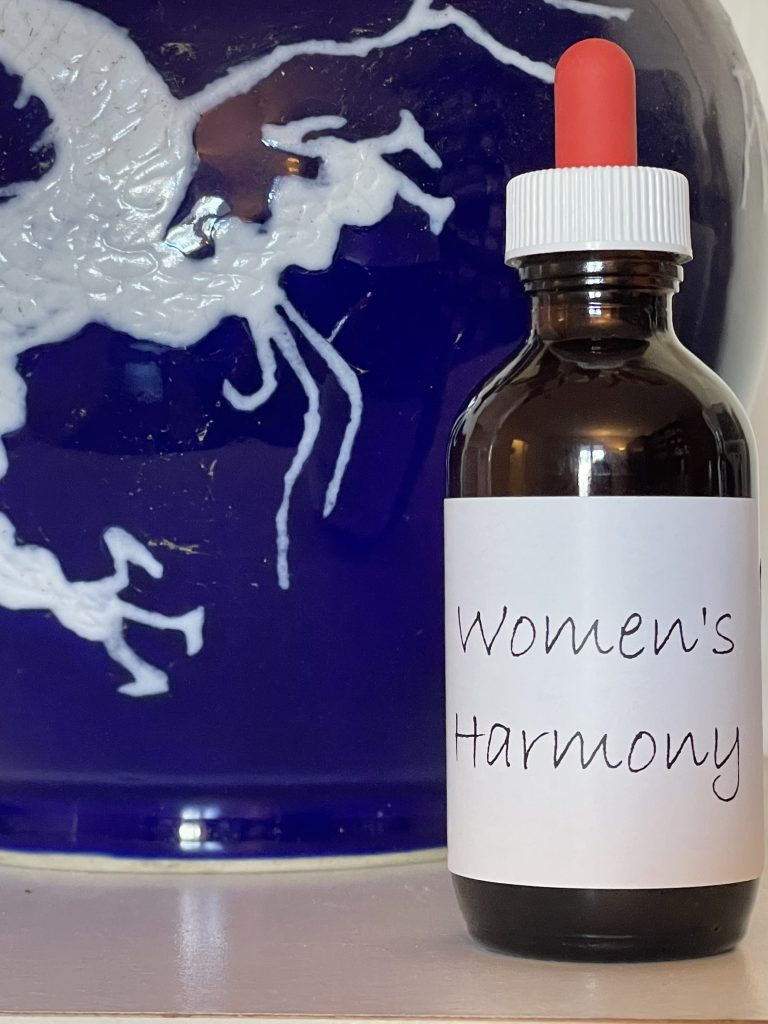
TCM also views perimenopause as an opportunity for renewal—Menopause is known as the “Second Spring”—where, after the cessation of menstruation, Qi and blood are redirected to nourish the Heart and Shen (spirit), fostering wisdom, creativity, and emotional growth. This holistic perspective encourages women to embrace perimenopause not just as an end of fertility but as a transformative phase for physical, emotional, and spiritual vitality.
TCM sees perimenopause as a multi-stage energetic transition primarily involving Kidney depletion, Liver Qi stagnation, and Yin-Yang imbalance. Each stage corresponds to shifts in these energies that manifest as the physical and emotional symptoms of perimenopause, with treatment aimed at restoring balance and supporting the woman’s overall well-being during this natural life phase.