Why Use Menopause Yoga for a Smoother Transition
Menopause is a natural phase of life that every woman will experience, but it often comes with a suite of challenging symptoms. Managing these symptoms effectively can significantly enhance the quality of life during this transition. Enter Menopause Yoga—a practice that offers a holistic approach to wellness and has shown promise in easing the discomforts associated with menopause and perimenopause.
Yoga isn’t just about flexibility; it’s a comprehensive practice that integrates physical postures, breathing exercises, and meditation to promote overall well-being. The benefits of Menopause Yoga for menopause and perimenopause include relief from hot flashes, joint pain, stress, and sleep disturbances. This practice can be particularly beneficial as it addresses both the physical and emotional challenges that arise during this time. And we offer online classes and workshops.

Understanding Menopause and Perimenopause
Menopause is the point when a woman stops having menstrual periods, confirmed after 12 consecutive months without a period. It is a natural process that happens as a woman’s reproductive years come to an end. While the average age for menopause is between 45 and 55 years old, it can happen earlier or later for each individual.
Perimenopause, also known as the menopausal transition, is the stage leading up to menopause. This phase can start in a woman’s 40s or even earlier. During perimenopause, menstrual cycles may become irregular and hormone levels can fluctuate, leading to various symptoms that can last for months or even years.
The menopause, as opposed to menopause, is the transition women experience from perimenopause through to post menopause. This transition is not just biological, but it is a bio-psycho-social-spiritual transition. In Chinese medicine, we see post menopause as the second spring, when women step into their wholeness, discovering renewed energy, creativity and sense of self.
There is a lot of negativity and stigma around menopause, yet it can be an amazing and positive transition, stepping into a new self, but you may need guidance and help along the way especially with many of the symptoms we may experience through the menopause transition. And this is one of the benefits of Menopause Yoga.
Key Symptoms of Menopause and Perimenopause
- Hot flashes
- Night sweats
- Mood changes such as irritability and anger
- Sleep disturbances
- Feelings of overwhelm and anxiety
- Lack of cognitive clarity and brain fog
Understanding these phases helps in managing symptoms effectively. Recognizing perimenopause early allows for proactive measures to ease the transition into menopause.
Challenges of Menopause and Perimenopause
Experiencing menopause and perimenopause can present numerous challenges that affect both physical and mental well-being. Some of the most common menopausal symptoms include:
- Hot flashes: Sudden feelings of warmth that spread over the body, often with sweating.
- Joint and muscle aches: Discomfort in joints and muscles, often leading to reduced mobility.
- Stress: Increased levels of stress and anxiety which can be hard to manage.
- Sleep issues: Trouble falling asleep or staying asleep, which can result in fatigue.
These symptoms can significantly impact daily life. Hot flashes may lead to embarrassment or discomfort in social situations. Joint and muscle aches might make it difficult to engage in regular physical activities, potentially leading to a more sedentary lifestyle. Stress and sleep issues can affect productivity, mood, and overall quality of life.
Negative effects on physical well-being include weight gain, decreased bone density, and cardiovascular changes. As for mental health, women might face increased risks of anxiety, depression, and mood swings. It’s clear that managing these symptoms effectively can contribute greatly to a woman’s overall sense of well-being during this transitional phase.
Why Consider Menopause Yoga?
- Natural Relief: Yoga provides a natural way to alleviate common symptoms such as hot flashes, joint and muscle aches, stress, and sleep disturbances.
- Holistic Approach: It supports overall health by promoting relaxation, hormonal balance, and improved energy flow.
- Emotional Support: Practicing yoga can help reduce anxiety, depression, and mood swings often associated with menopause.
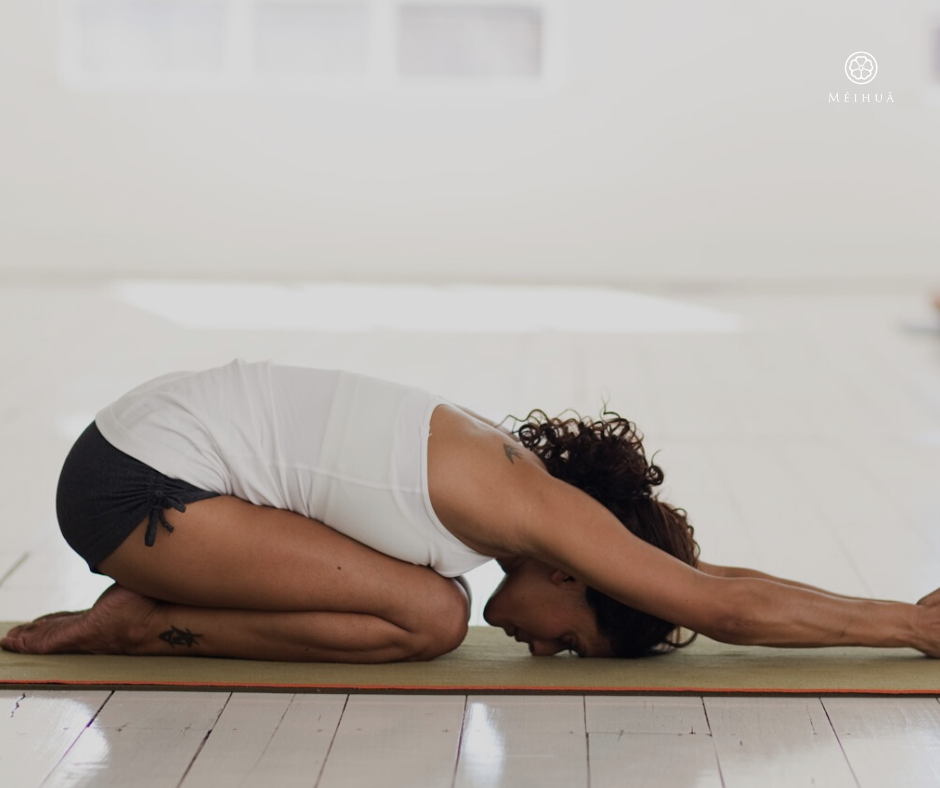
The Science Behind Yoga’s Effectiveness for Managing Menopausal Symptoms
Yoga offers a multifaceted approach to alleviating menopausal symptoms. It combines physical postures, controlled breathing exercises, and mindfulness practices that address both the body and mind.
How Yoga Can Help Women in Their Menopause Journey:
- Physical Relief: Certain yoga poses can alleviate common symptoms like hot flashes, joint pain, and muscle tension. For instance, restorative yoga helps regulate the nervous system, promoting relaxation and stress relief.
- Emotional Balance: Mindfulness and meditation aspects of yoga support emotional well-being, reducing anxiety, depression, and mood swings often experienced during menopause.
- Improved Sleep: Regular practice has been linked to better sleep patterns by calming the mind and balancing hormonal levels.
Evidence-Based Benefits Supported by Studies:
- A systematic review highlighted moderate evidence that yoga positively impacts psychological symptoms during menopause. While it may not directly alleviate all types of menopausal symptoms, it significantly aids in emotional stability and stress reduction.
- According to research published in scientific journals, women practicing yoga reported fewer instances of mood disturbances and improved overall quality of life.
These findings reveal that incorporating yoga into daily routines can be an effective strategy for managing the multifaceted challenges of menopause.
1. Enhancing Relaxation and Nervous System Regulation through Restorative Yoga
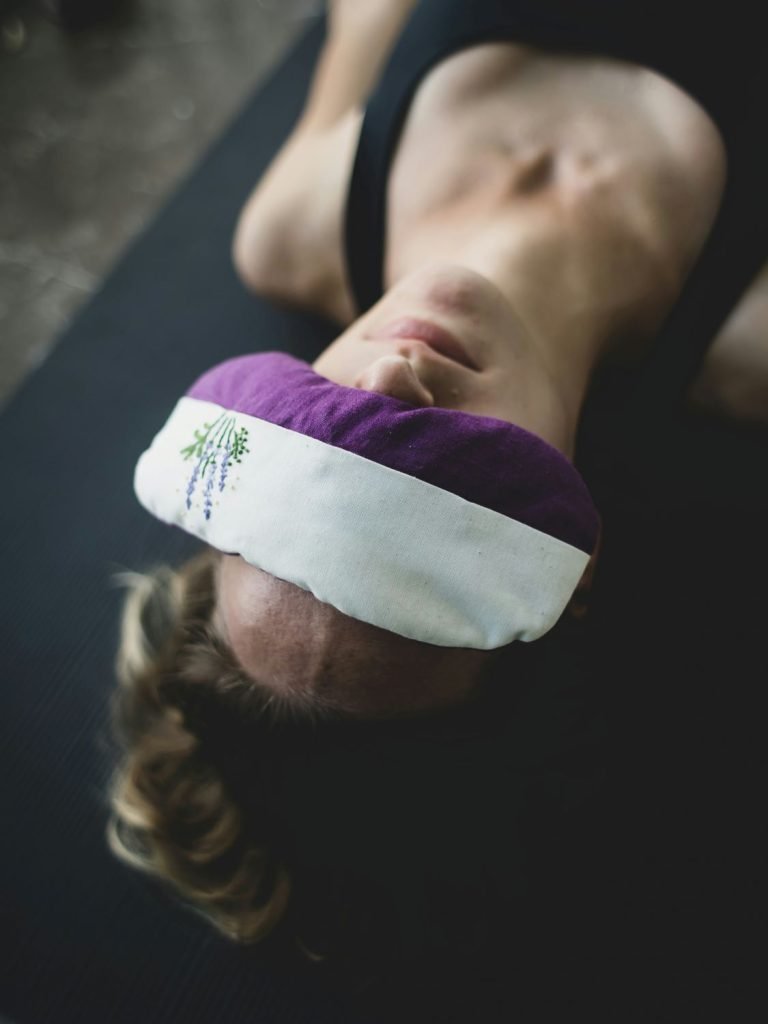
Restorative yoga is a gentle form of yoga that emphasizes relaxation and stress relief. It is a style of yoga incorporated into Menopause Yoga. Unlike more vigorous styles, restorative yoga focuses on holding poses for longer periods, often with the support of props such as blankets, bolsters, and blocks. This approach helps to calm the mind and body, making it particularly beneficial for women experiencing menopausal symptoms.
During menopause, fluctuating hormone levels can lead to increased stress, anxiety, and sleep disturbances. Restorative yoga offers a sanctuary from these challenges by activating the parasympathetic nervous system—the part responsible for rest and digestion—thereby promoting deep relaxation and nervous system relief.
Incorporating relaxation techniques like restorative yoga into your daily routine can have a profound impact on your overall well-being during menopause. When your body is in a state of relaxation:
- Stress hormones like cortisol decrease
- Blood pressure lowers
- Sleep quality improves
- Emotional balance is easier to maintain
Practicing restorative yoga regularly can help manage hot flashes, reduce joint pain, and improve mood stability.
Some restorative yoga poses that are particularly effective for deep relaxation.
2. Alleviating Physical Discomfort with Targeted Yoga Poses
Navigating menopause often means dealing with physical discomforts like joint pain, stiffness, and muscle aches. Certain yoga poses can be incredibly effective in addressing these issues. By incorporating specific yoga poses into your routine, you can target menopausal symptoms directly and find relief.
3. Cultivating Emotional Well-being and Resilience through Menopause Yoga
Menopause can cause significant emotional and psychological changes, leading to feelings of anxiety, depression, and mood swings. However, yoga can be a powerful tool to help manage these emotions.
Psychological Benefits of Yoga for Menopause
Yoga is beneficial for menopausal women in several ways:
- Promotes Calmness: By combining physical movement with controlled breathing and meditation, yoga helps create a sense of peace and well-being.
- Regulates the Nervous System: The mind-body connection established through yoga practice can help balance the nervous system and reduce stress hormones like cortisol.

Reduction in Anxiety, Depression, and Mood Swings
Specifically, yoga can be effective in reducing anxiety, managing depression, and stabilizing mood during menopause:
- Anxiety Relief: Practices like pranayama (breathing exercises) can immediately soothe an anxious mind.
- Depression Management: Incorporating gentle poses and mindful breathing stimulates the production of endorphins, often termed as ‘feel-good’ hormones.
- Mood Stabilization: Regular yoga practice encourages emotional balance by enhancing mindfulness and present-moment awareness.
“The practice of yoga can bring about mental clarity and calmness; increase body awareness; relieve chronic stress patterns; relax the mind; centre attention; and sharpen concentration.” – American Osteopathic Association
By making these practices a part of your daily routine, you can build emotional resilience and make the transition through menopause smoother and more manageable.
Practicing Yoga Safely: Precautions and Considerations for Menopausal Women
When integrating yoga into your menopause management plan, prioritizing safety is crucial. Here are some essential guidelines to keep in mind:
- Listen to Your Body: Always pay attention to how you feel during and after each session. If a pose causes pain or significant discomfort, modify it or skip it altogether.
- Start Slowly: Begin with gentle, restorative poses before gradually incorporating more challenging ones. This approach helps your body adapt and reduces the risk of injury.
- Use Props: Props like bolsters, blankets, and blocks can support your practice by offering stability and comfort, making poses more accessible.
- Stay Hydrated: Drink water before and after your practice to help manage hot flashes and maintain hydration.
Importance of Consulting a Healthcare Professional
Before starting any new exercise routine, including yoga, it’s wise to consult with a healthcare professional. They can provide personalized advice based on your medical history and current health status. This step ensures that your yoga practice aligns with your specific needs and minimizes any potential risks.
Getting Started: Incorporating Yoga into Your Menopause Management Plan
Making yoga a regular and enjoyable part of your menopause journey can seem daunting at first, but it doesn’t have to be. Here are some simple steps to help you get started:
1. Create a Comfortable Space
You don’t need a lot of space to practice yoga, but having a dedicated area can make it easier to stick with your routine. Think about creating a small corner in your home where you can lay out a mat and keep props such as blocks, straps, or bolsters handy.
2. Set Realistic Goals
Start small and set achievable goals. You might begin with just 10-15 minutes of yoga each day, gradually increasing the duration as you become more comfortable. Consistency is more important than intensity.
3. Listen to Your Body
Pay attention to how your body feels during and after each session. If certain poses cause discomfort, modify them or skip them altogether. Remember that yoga is about finding balance and comfort, not pushing through pain.
4. Incorporate Breathing Techniques
Breathing exercises, or pranayama, are an integral part of yoga and especially beneficial during menopause. Techniques like alternate nostril breathing can help manage stress and improve overall well-being.
5. Keep It Fun
The key to sticking with any exercise routine is enjoyment. Try different styles of yoga until you find one that resonates with you. Whether it’s restorative yoga for relaxation or more dynamic vinyasa flows, there’s something for everyone.
By integrating these tips into your daily life, you’ll find it easier to embrace yoga as a valuable tool in managing menopausal symptoms effectively.
Menopause Yoga Online Classes
Yoga offers a holistic approach to physical, emotional, and mental well-being, making it an excellent choice for women seeking relief from menopausal symptoms. By incorporating yoga into your routine, you can create a supportive foundation for navigating menopause with grace and ease. The journey towards a smoother menopause transition begins with that first mindful breath on the mat.
At Mei Hua Clinic we have an online yoga studio where you can practice Menopause Yoga Classes on a weekly basis in the comfort of your own home. You can embrace the benefits of yoga for menopause and perimenopause, making it a transformative step in managing the challenges that come with these stages of life.
We also offer online Menopause Yoga Workshops at various times throughout the year.
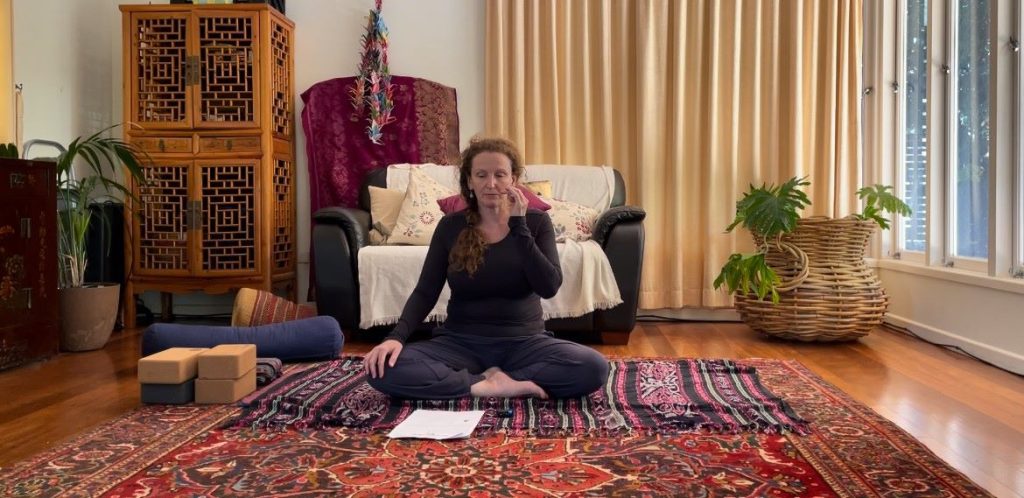
Julienne Tatkovic is an accredited Menopause Yoga Teacher.