Did You Know Our Menstrual Cycle Holds the Key to Vitality?
Our menstrual cycle is a complex and vital aspect of women’s health, playing a significant role in our overall well-being. This natural process involves a series of hormonal changes that regulate the preparation of our body for pregnancy. Each phase of our cycle brings with it varying levels of energy, emotional states, and physical symptoms.
From a Chinese medicine perspective, our menstrual cycle mirrors the natural rhythms found in nature. Chinese medicine emphasizes balance and harmony, viewing our cycle through the lens of Yin and Yang energies. This ancient approach provides insights into how different phases of the cycle can be supported to enhance vitality and well-being.
By understanding these cyclical patterns, we can adopt lifestyle practices that align with each phase, promoting optimal health and wellbeing. Whether it’s nourishing our body with specific foods or engaging in particular activities, embracing this holistic view can help us maintain balance throughout our menstrual journey.

The Menstrual Cycle: A Dance of Yin and Yang Energies
The menstrual cycle is a harmonious interplay of yin and yang energies that reflect different phases of our health journey. During the Dynamic Yin Phase, which spans from menstruation to pre-ovulation, yin energy predominates. This phase is characterized by nurturing and renewal, with a particular focus on blood nourishment and uterine renewal.
The Dynamic Yin Phase: Nurturing and Renewal (Menstruation to Pre-ovulation)
In Chinese medicine, menstruation aligns with inner winter, representing a period of rest and introspection. Yin energy is at its peak, emphasizing the importance of:
- Blood Nourishment: During menstruation, the body sheds the uterine lining, losing blood that must be replenished.
- Uterine Renewal: The uterus undergoes a cleansing process to prepare for potential future conception.
Supporting this phase involves practices that nurture our body and replenish lost nutrients.
Yin Energy in Menstruation
To harmonize our energy balance during this phase, consider integrating restorative self-care activities and consuming blood-nourishing foods.
Restorative Self-Care Activities
Engaging in gentle, nurturing activities can help bolster yin energy:
- Rest: Prioritize sleep and take naps if necessary.
- Meditation: Spend time in quiet reflection or guided meditation.
- Stretching: Gentle yoga or stretching exercises can aid relaxation.
- Journaling: Reflecting on thoughts and emotions through journaling can provide mental clarity.
Blood-Nourishing Foods
Diet plays a crucial role in supporting the yin phase. Consuming warm, cooked foods that are easy to digest can enhance blood nourishment:
- Iron-Rich Foods: Incorporate dark leafy greens, beans, lentils, and red meat.
- Blood-Building Foods: Opt for bone broths, soups, and stews made with nutrient-dense ingredients.
- Hydration: Drink plenty of water and herbal teas to stay hydrated.
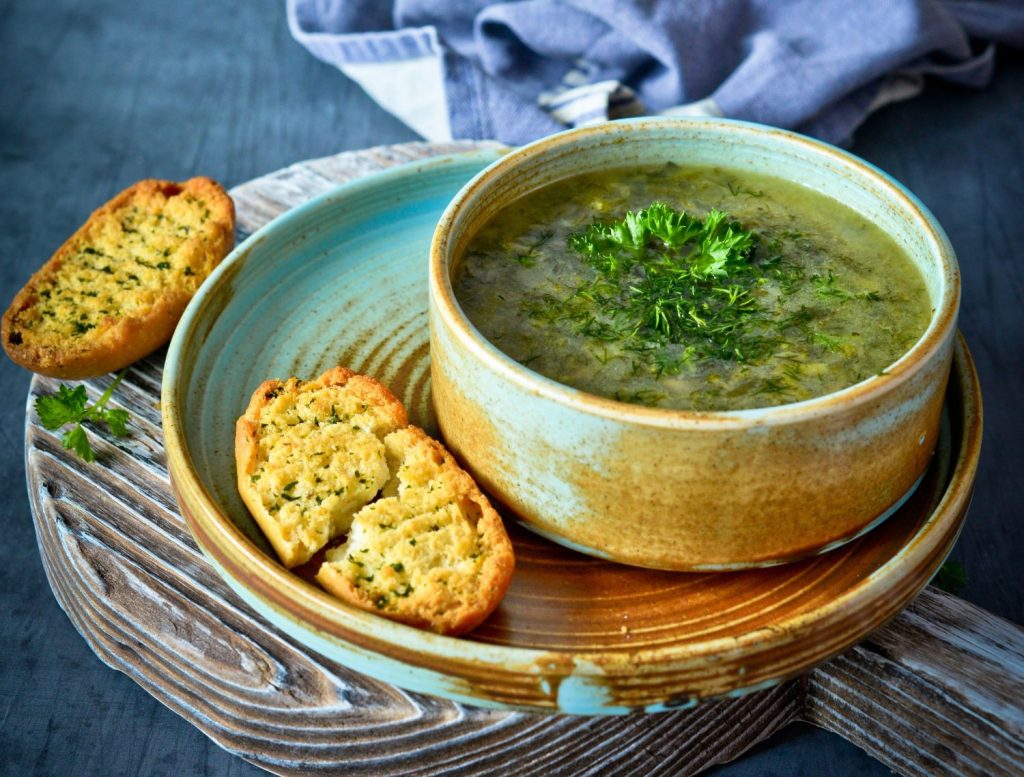
It is essential to create an environment conducive to relaxation and rejuvenation during this phase. By honouring our body’s need for rest and nourishment, we support the natural rhythm of our menstrual cycle.
2. The Dynamic Yang Phase: Action and Vitality (Ovulation to Pre-menstruation)
The rise of yang energy is a defining feature from ovulation to pre-menstruation. This phase, also known as the yang phase, is characterized by qi (vital energy) stimulation and heightened fertility. During this time, we might feel an increase in physical energy, sociability, and overall vitality.
Enhancing Yang Energy:
- Invigorating Activities: Engage in activities that stimulate qi and promote movement. Cardio exercises, fun group exercises, dancing or exploring new hobbies can be particularly beneficial.
- Qi-Regulating Foods: Incorporate foods that support qi flow and balance. Cooler foods like green tea, peppermint tea, seasonal fruits, and salad vegetables are excellent choices during this time. If it is winter, we need to support these food choices with warming foods. Seafood can also be a powerful addition to your diet due to its yang-supportive properties.
In Chinese medicine, by understanding the interplay between yin and yang energies helps maintain overall energy balance throughout the menstrual cycle. While the yin phase focuses on rest and nourishment, the yang phase emphasizes action and vitality, creating a harmonious flow between different menstrual phases.
Harmonizing Body and Mind Throughout the Menstrual Journey
Emotional Balance and Menstrual Health
In Chinese medicine, emotional well-being is deeply intertwined with physical health. The menstrual cycle is no exception; maintaining emotional balance is crucial for overall menstrual health. Emotional imbalances can disrupt the harmony of our body’s energies, leading to menstrual irregularities or discomfort.
Mindfulness Practices
Mindfulness practices can help us stay emotionally grounded throughout our menstrual phases. These approaches include:
- Meditation: Regular meditation helps calm the mind and regulate emotions.
- Deep Breathing Exercises: Techniques like diaphragmatic breathing can reduce stress and promote relaxation.
- Journaling: Writing down your thoughts and feelings provides an outlet for emotional expression, helping to clear mental clutter.

Cultivating Emotional Resilience: Tools for Each Phase
Each phase of the menstrual cycle brings unique emotional challenges. Understanding these challenges and adopting specific mind-body practices can cultivate resilience.
Menstrual Phase (Inner Winter)
During menstruation, many of us feel introspective and may experience low energy levels. Emotional challenges such as sadness or irritability are common.
Recommended Practices:
Gentle Yoga: Helps in grounding emotions and easing physical discomfort.
Warm Baths: Promotes relaxation and eases muscle tension.
Blood-Nourishing Foods: Incorporate iron-rich foods like spinach, beets, and lean meats to support energy levels.
Follicular Phase (Inner Spring)
This phase is characterized by renewed energy and optimism. However, we might experience anxiety or restlessness due to rising estrogen levels.
Recommended Practices:
Cardio Exercises: Activities like jogging or hiking help channel the increased energy positively.
Creative Activities: Engage in activities like painting or writing to harness creative potential.
Green Leafy Vegetables: Foods rich in vitamins support mental clarity and emotional stability.
Ovulation Phase (Inner Summer)
Heightened fertility and social engagement mark this phase. Feelings of confidence are common but can sometimes be accompanied by mood swings.
Recommended Practices:
High-Intensity Interval Training (HIIT): Helps manage high energy levels effectively.
Social Activities: Engage in gatherings with friends or group activities to foster positive emotions.
Cooling Foods: If suitable, consume foods like seasonal fruits and salads to maintain internal balance.

Luteal Phase (Inner Autumn)
The pre-menstrual phase often involves symptoms like bloating, fatigue, and mood swings due to progesterone levels peaking.
Recommended Practices:
Restorative Yoga: Focuses on relaxation and reducing physical stress.
Emotional Check-ins: Regularly assess your emotional state through journaling or talking with a trusted friend.
Warm Cooked Foods: Broths and soups support digestive health and provide comfort during this slower phase.
By addressing both physical symptoms and emotional well-being, we create a holistic approach to menstrual health that honours both our body and mind. This balanced perspective enhances vitality throughout each phase of our cycle.
Honouring Your Menstrual Rhythm: Lifestyle Tips for Optimal Well-being
Understanding the Impact of Lifestyle Factors
Sleep, exercise, and stress management play crucial roles in maintaining a balanced menstrual cycle. According to Chinese medicine, these elements can either support or disrupt our body’s natural rhythms depending on how you handle them.
1. Sleep
Quality sleep is essential for restoring and regulating hormonal cycles. Aim for 7-9 hours of uninterrupted sleep to support your body’s natural detoxification processes.
2. Exercise
Physical activity should be tailored to each phase of your menstrual cycle:
Winter (Menstruation): Gentle activities like yoga or stretching.
Spring (Follicular Phase): Moderate exercises such as walking or light jogging.
Summer (Ovulation): High-intensity workouts, cardio.
Autumn (Luteal Phase): Relaxing activities like walking or restorative yoga.
3. Stress Management
Chronic stress can lead to hormonal imbalances. Incorporating mindfulness practices such as meditation, journaling, and deep-breathing exercises can help maintain emotional balance.
General Guidelines for Menstrual Balance
Following principles from Chinese medicine can enhance your well-being across all phases:
1. Diet
Focus on warm, cooked foods that are easily digestible. Incorporate blood-nourishing foods like leafy greens, mushrooms, and broths. Adjust your diet according to the phase you’re in:
Inner Winter: Warm soups and stews.
Inner Spring: Fresh vegetables and sprouts.
Inner Summer: Cooling foods like seasonal fruits.
Inner Autumn: Root vegetables and casseroles.
By understanding and honouring these lifestyle factors, we can pave the way for a harmonious relationship with our menstrual cycle. This approach not only supports physical health but also enhances emotional well-being.
Seeking Professional Care: The Role of Chinese Medicine and Acupuncture
Chinese medicine offers effective treatments for menstrual imbalances. Two commonly used methods are herbal therapy and acupuncture. These treatments focus on balancing our body’s energies to improve menstrual health and overall well-being. Julienne Tatkovic, herbalist and acupuncturist at Mei Hua Chinese Medicine Clinic which is located in Redcliffe, Queensland, has been helping women for 15 years with menstrual issues. She can provide effective treatments to improve menstrual health and overall well-being. Online herbal consults are also available.
Benefits of Chinese Medicine Modalities
1. Herbal Therapy
Custom-blended herbal formulas can target specific menstrual issues like irregular cycles, cramps, and PMS. Herbs such as Dang Gui and Bai Shao known for their blood-nourishing properties are commonly added to herbal formulas that are individualised for you.
2. Acupuncture
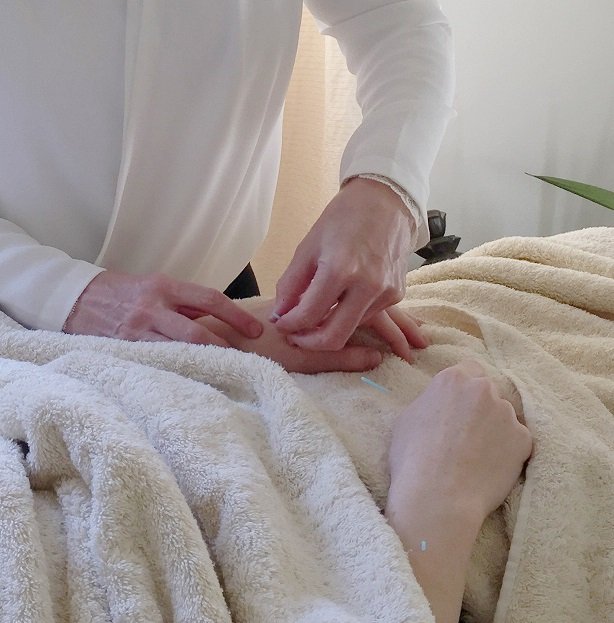
Regular acupuncture sessions can help regulate hormonal imbalances, reduce stress, and alleviate symptoms like bloating and mood swings by stimulating specific acupoints related to menstrual health.
The key to our vitality
Understanding the menstrual cycle through a Chinese medicine perspective reveals its profound wisdom in promoting vitality and well-being. Each phase, whether it is the nurturing Yin or the invigorating Yang, offers unique opportunities for self-care and balance.
The menstrual cycle is not just a biological process but a dynamic interplay of energies that reflect the body’s inner harmony.
By aligning our lifestyle with these rhythms, we can tap into a source of natural vitality. Practices like restorative self-care during the Yin phase and invigorating activities during the Yang phase can significantly enhance overall health.
Book an initial consultation to discuss your menstrual health concerns and treatment goals.