7 Surprising Ways Chinese Medicine Helps With Irregular Periods In Perimenopause
Perimenopause is part of ‘the menopause’ transition and is a significant time of change in a woman’s life. We can experience many physical and emotional difficulties during this time. From irregular periods to mood swings and sleep problems, perimenopause can have a huge impact on our health. As more women look for natural and holistic ways to take care of their health, Traditional Chinese Medicine (TCM) has become more popular for its potential in easing perimenopausal symptoms and improving our wellbeing.
Whether you’re dealing with the challenges of perimenopause or simply looking for different ways to support your well-being, come with us as we discover the amazing advantages of adding Chinese Medicine into your journey towards hormonal balance and vitality.
Understanding Perimenopause
Perimenopause is the phase before menopause when a woman’s body goes through significant hormonal changes. It usually starts in our 40s but can sometimes happen in our 30s. During this time, we may experience irregular periods, fluctuating hormone levels, and various physical and emotional symptoms.
Some common signs of perimenopause include:
- Irregular periods: Menstrual cycles may become shorter or longer, with heavier or lighter bleeding than usual.
- Hormonal shifts: Levels of estrogen and progesterone start to decrease, leading to mood swings, hot flashes, and night sweats.
- Reproductive changes: Fertility decreases as the ovaries produce fewer eggs, eventually resulting in the end of menstruation.
Perimenopause can affect our overall well-being, causing symptoms such as insomnia, fatigue, irritability, and difficulty concentrating. There has been a lack of awareness and education around perimenopause and it’s important to be aware of the changes we may experience. Perimenopause is a natural part of our reproductive journey however we need not suffer many of the physical and emotional issues that may arise during this time.
The Link Between Perimenopause and Irregular Periods, Heavy Bleeding, and Insomnia
During perimenopause, we can experience fluctuations in our hormone levels. These changes can result in various physical and emotional symptoms Some common issues that arise during this time include:
- Irregular Periods: The decrease in progesterone and estrogen production by the ovaries can cause menstrual cycles to become inconsistent
- Heavy Bleeding: As estrogen levels decline, the lining of the uterus may thicken, leading to heavier periods.
- Insomnia: Hormonal imbalances can disrupt sleep patterns, making it challenging for women in perimenopause to either fall asleep or stay asleep throughout the night.
Why Do These Issues Occur?
Hormonal Fluctuations: The ovaries produce less progesterone and estrogen during perimenopause, causing menstrual cycles to become irregular. As estrogen levels decline, the uterine lining may become thicker, leading to heavier periods.
Impact on Sleep Patterns: Hormonal changes can disrupt sleep patterns, making it difficult for women in perimenopause to fall asleep or stay asleep throughout the night. Factors such as night sweats or hot flashes can further exacerbate insomnia. When we struggle to sleep there is the knock on effect of fatigue, memory loss, brain fog and difficulty concentrating.
Stress: Stress plays a major role in the disruption of our menstrual cycles and exacerbate menstrual irregularities. Stress can also increase the symptoms we experience.
Traditional Chinese Medicine (TCM) can address the root causes of the symptoms we experience, and offers holistic approaches that aim to restore balance and alleviate the challenges we face during this transitional phase.
Chinese Medicines Approach to Balancing the Menstrual Cycle in Perimenopause
Traditional Chinese Medicine (TCM) takes a holistic approach to health and views the menstrual cycle as a reflection of a woman’s overall well-being. We call your menstrual cycle your monthly health report card.
In TCM theory, the menstrual cycle is seen as a delicate balance of Yin and Yang energies, and any disruption in this balance can lead to irregular periods and other menstrual issues during perimenopause. The key principles that TCM employs to restore balance during perimenopause may include addressing Kidney and or Spleen deficiency, Liver qi stagnation and Yin-Yang imbalance. Here’s how TCM approaches these aspects:
1. Kidney Deficiency
According to TCM, the Kidneys energetic system (not the organ) play a vital role in reproduction and maintaining hormonal balance throughout a woman’s life. As we age, our Kidney energy naturally declines, and it can disrupt the regularity of the menstrual cycle. In Chinese medicine, we alleviate symptoms by nourishing and strengthening the Kidney energy through various techniques such as herbal remedies, acupuncture, and dietary changes.
2. Spleen Deficiency
In Traditional Chinese Medicine (TCM), the Spleen is considered an important energetic system that plays a vital role in digestion and energy production which plays a part in nourishing our reproductive organs. When the Spleen energy is deficient, we can experience symptoms such as fatigue, poor appetite, bloating, and loose stools.
During perimenopause, Spleen qi deficiency can contribute to irregular periods, heavy bleeding, light periods and insomnia. TCM offers strategies to invigorate spleen qi and restore balance to the menstrual cycle.
3. Liver Qi Stagnation
The liver is one of the most congested energetic symptoms in modern life. As women we juggle many roles which impacts our health and wellbeing because of the stress and constant running around. The impact is huge and this can also deplete our Spleen and Kidney energies and create tension in our Liver energetic system. Liver qi stagnation is often seen in the time between ovulation and menstruation and manifests as PMS symptoms including sore breasts, irritability or emotional sensitivity. This can become worse as we move into perimenopause.
4. Yin-Yang Imbalance
Chinese medicine is all about maintaining balance and an imbalance between Yin and Yang energies can contribute to irregular periods and other menstrual issues. Yin represents cooling, nourishing, and calming energy, while Yang represents warming, activating, and energizing energy.
During perimenopause, there is often a relative deficiency of Yin energy compared to Yang energy. We aim to rebalance Yin and Yang through specific herbal formulas, acupuncture points, and lifestyle adjustments.
How to restore balance in our cycle
To restore balance in the menstrual cycle during perimenopause, Chinese medicine practitioners may recommend:
- Herbal remedies: Chinese herbal formulas tailored to individual needs can help regulate hormones, nourish Yin energy, tonify Kidney deficiency, and promote a healthy menstrual cycle.
- Acupuncture: By stimulating specific acupuncture points related to reproductive organs and hormonal regulation, acupuncture can help regulate the menstrual cycle.
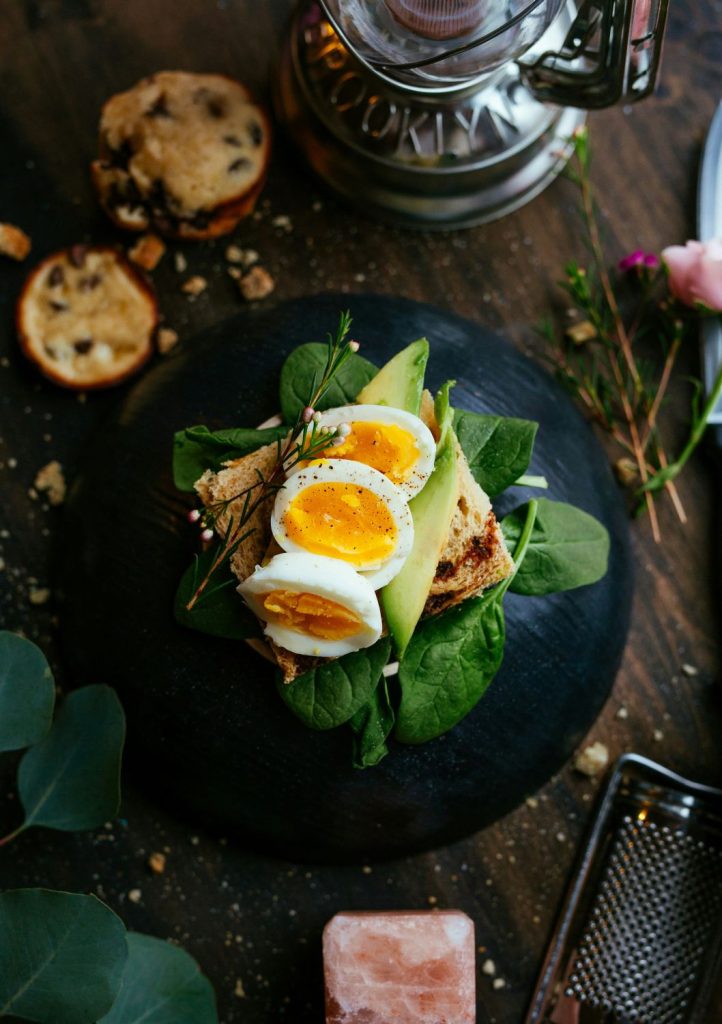
- Dietary modifications: TCM emphasizes consuming foods that nourish Yin energy such as leafy greens, fruits, and healthy fats, while avoiding spicy and greasy foods that may exacerbate Yang energy.
Chinese medicine offers a comprehensive approach to restoring balance in the menstrual cycle during perimenopause to reduce physical and emotional complaints.
7 Surprising Ways Chinese Medicine Can Ease Irregular Periods, Heavy Bleeding, and Insomnia in Perimenopause
Perimenopause can bring about various symptoms that disrupt a woman’s daily life. From irregular periods to heavy bleeding and insomnia, to emotional volatility, these issues can be frustrating and challenging to manage.
Fortunately, Traditional Chinese Medicine (TCM) offers effective strategies to alleviate these symptoms and restore balance to the body. Here are seven surprising ways Chinese Medicine can help ease irregular periods, heavy bleeding, and insomnia in perimenopause:
Strategy 1: Harmonizing Liver Qi
According to TCM theory, the liver is closely associated with the smooth flow of qi, or energy, throughout the body. When liver qi becomes stagnant or imbalanced during perimenopause, it can lead to irregular periods. TCM treatments aim to harmonize liver qi by promoting its smooth flow and reducing any blockages or stagnation.
Self care includes: Practice stress-reducing techniques such as menopause yoga or meditation. Engage in regular physical exercise to promote blood circulation. Avoid excessive consumption of greasy or spicy foods that may contribute to liver qi stagnation.
There are herbal formulas to helps relieve liver qi stagnation and is often combined with other herbs for menstrual irregularities. And acupuncture is very effective in harmonising liver qi.
Strategy 2: Nourishing Blood Essence
In TCM, blood essence plays a crucial role in nourishing the uterus and supporting regular menstrual cycles. During perimenopause, blood essence may decline, leading to heavy bleeding. TCM focuses on nourishing blood essence and stop bleeding herbs to address this issue.
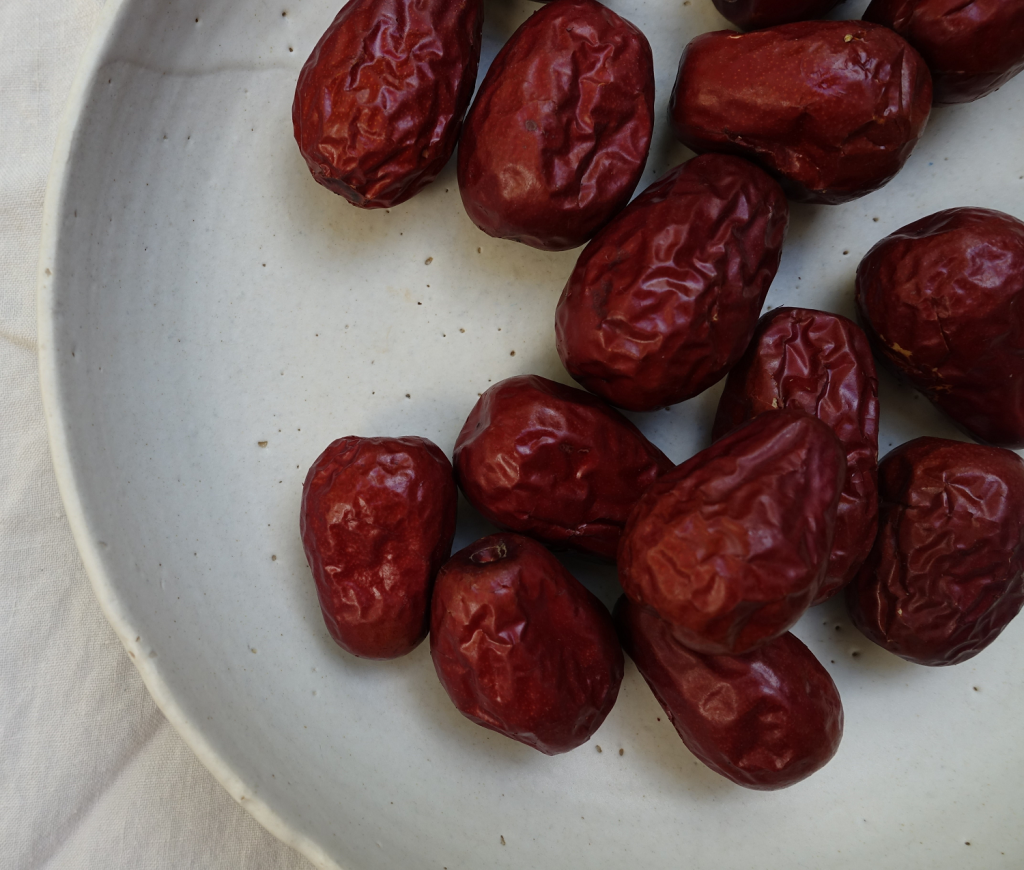
We suggest you consume foods rich in iron, such as lean meats, dark leafy greens, and legumes that are easy to digest. You can include blood-nourishing herbs like goji berries, red dates, and black sesame seeds in your diet.
The Chinese herbs prescribed are usually herbs to nourish blood and regulate menstruation.
Strategy 3: Clearing Heat and Dampness
Heat and dampness imbalances in the body can contribute to heavy bleeding during perimenopause. TCM aims to clear these imbalances to restore harmony and alleviate symptoms.
If you have excess heat and damp in your body we suggest to avoid consuming excessive amounts of greasy or fried foods. Stay hydrated by drinking plenty of water throughout the day. Add cooling foods into your diet, such as cucumbers, watermelon, and mung beans.
Suggested Chinese herbal remedies include herbs with anti-inflammatory properties and helps clear heat from the body.
Strategy 4: Invigorating Spleen Qi
The spleen plays a vital role in digestion and the production of qi and blood. When spleen qi becomes deficient during perimenopause, it can lead to irregular periods and blood deficiency. This can become a vicious cycle as heavy periods deplete our blood stores, the spleen frantically tries to create more blood leading and tires out. So we focus on strengthening spleen qi to build blood and regulate menstrual cycles.
To support the spleen eat warm, cooked foods rather than raw or cold foods. Add digestive-promoting spices like ginger and cinnamon into your meals. Avoid overeating and be mindful when eating.
Herbs to strengthen spleen qi and improve digestion are usually prescribed.
Strategy 5: Regulating Heart and Kidney Communication
In TCM, the heart and kidneys are closely connected and play a significant role in regulating the menstrual cycle. When there is disharmony between these organs, insomnia may occur during perimenopause. TCM focuses on restoring communication between the heart and kidneys to promote better sleep. This is a strategy often used in menopause as well.
Self care includes establishing a regular sleep routine. Create a relaxing bedtime ritual, such as taking a warm bath or practicing relaxation techniques. Limit exposure to electronic devices 2 hours before bed.
Herbs with calming and improve sleep quality properties. I often have a turmeric latte with soy milk in the evening to promote sleep.
Strategy 6: Calming the Shen (Mind)
Perimenopause can bring about emotional imbalances and irritability due to hormonal fluctuations. TCM emphasizes calming the shen, or mind, to alleviate these symptoms.
Include stress-reducing activities like meditation, deep breathing exercises, or gentle yoga in your weekly schedule. Engage in hobbies or activities that bring you joy and relaxation. Seek emotional support from friends, family, or support groups.
We have wonderful herbs that help calm our mind and relieve emotional distress.
Strategy 7: Balancing External Influences
External factors such as lifestyle choices, environmental toxins, and excessive physical exertion can disrupt the menstrual cycle during perimenopause. TCM aims to help balance these influences to promote overall well-being.
We suggest to practice moderation in physical activities to avoid excessive strain. Create a calming and clean environment in your living space. Limit exposure to environmental toxins as much as possible.
Drink Gan Cao (Licorice root) tea. This herb has detoxifying properties and is commonly used to balance external influences. It can be consumed as a tea or it might be included in your Chinese herbal medicine formula.
By implementing these surprising strategies from Chinese Medicine, women experiencing irregular periods, heavy bleeding, and insomnia during perimenopause can find relief and restore balance to our bodies.
Incorporating Chinese Medicine Into Your Perimenopause Wellness Routine
When it comes to managing perimenopause symptoms, incorporating Chinese Medicine principles into your wellness routine can be highly beneficial. Here are some practical tips on how to integrate Chinese Medicine into your daily life during perimenopause:
Maintain regular TCM treatment sessions: Regular visits to Mei Huc Clinic can help you address specific symptoms and maintain overall balance in your body. Treatments may include acupuncture, herbal medicine, and dietary recommendations tailored to your individual needs.
Try acupressure: Acupressure involves applying pressure to specific points on the body to stimulate energy flow and promote balance. I often suggest acupressure to do in between treatments. You can learn simple acupressure techniques when you come to clinic. For example, massaging the acupoint Spleen 6 (located on the inner lower leg) can help to relieve menstrual irregularities and promote better sleep.

Practice mindfulness and stress reduction: Stress can exacerbate perimenopause symptoms, so it’s essential to incorporate stress-reducing practices into your routine. Things like yoga, meditation, qi gong or tai chi are amazing stress reducing practices.
Chinese Medicine emphasizes the connection between emotions and physical health. Consider practices such as tai chi, qi gong, yoga or meditation to cultivate calmness and promote overall well-being.
Embrace a balanced diet. In Chinese Medicine, food is seen as medicine. Eating a balanced diet that includes nourishing foods can help support your body during perimenopause. Focus on incorporating foods that are rich in phytoestrogens, such as soy products, flaxseeds, and sesame seeds.
You can ask for a personalized dietary recommendations during your consultation. Remember that every individual is unique, and what works for one person may not work for another. It’s important to get qualified advice from a practitioner who can provide individualised advice based on your specific needs and symptoms.
By incorporating Chinese Medicine principles into your perimenopause wellness routine, you can tap into the wisdom of this ancient practice to find balance, alleviate symptoms, and enhance your overall well-being during this transitional phase of life.
Final Thoughts
As you go through perimenopause, remember that it’s a natural part of your journey. Traditional Chinese Medicine (TCM) can help you have an easier and more energetic transition during this time.
Holistic Approach: TCM takes a comprehensive approach to managing perimenopausal symptoms by addressing not only the physical aspects but also the emotional and spiritual aspects of well-being.
Empowerment: By considering TCM as a natural option for managing perimenopause, you empower yourself to play an active role in your health and well-being.
Using Knowledge: The extensive knowledge of TCM provides proven principles and practices that can work alongside other treatments or can be used as the main method for managing perimenopausal symptoms.
Remember, every woman’s experience with perimenopause is different, and finding the right solution for you may require some exploration. By considering TCM, you open yourself up to ancient wisdom and modern applications that can support you during perimenopause.
So, approach this phase with confidence, discover the benefits of Chinese medicine, and always remember that you have the ability to shape your experience of perimenopause through knowledge and proactive self-care.
Using Chinese Medicine to manage perimenopause will help you find stability and strength as you navigate this significant period in your life.