Acupuncture and Chinese Herbs: A Natural Approach to Endometriosis Treatment
Understanding Endometriosis: Symptoms, Causes, and Diagnosis
Endometriosis affects millions of women globally, but its diagnosis can be elusive. Recognizing its symptoms and understanding potential causes is crucial. Endometriosis can affect quality of life, including work and study. Chinese medicine, both acupuncture and Chinese herbal medicine are treatment options for managing endometriosis.
Common Symptoms
Women with endometriosis often experience:
- Pelvic pain: This ranges from mild discomfort to debilitating pain, often coinciding with menstrual cycles.
- Heavy bleeding: Many women report heavy or irregular periods.
- Painful intercourse: Pain during or after sex is a common complaint.
- Painful bowel movements or urination: Especially noticeable during menstruation.
- Nausea and fatigue: Chronic tiredness and occasional nausea can accompany other symptoms.
Theories on Causes
The exact causes of endometriosis remain unclear, but several theories offer insights:
- Genetic links: Family history might increase the risk of developing endometriosis.
- Menstrual backflow (retrograde menstruation): Menstrual blood flows backward into the pelvic cavity instead of leaving the body, causing tissue to implant on pelvic organs.
- Immune system issues: Problems with the immune system may fail to recognize and destroy endometrial tissue outside the uterus.
Diagnosis Methods
Accurate diagnosis is essential for effective treatment. Healthcare professionals use various methods:
- Pelvic exams: Doctors manually check for abnormalities in the pelvic area.
- Ultrasound: Utilizes sound waves to create images of reproductive organs; however, it might not detect small endometrial implants.
- Laparoscopy: A minimally invasive surgical procedure where a camera is inserted into the pelvic cavity to identify and sometimes biopsy endometriotic lesions.
Understanding these aspects helps in recognizing the condition early and seeking appropriate treatments.
The Role of Chinese Medicine in Treating Endometriosis: A Holistic Approach
Chinese medicine offers a unique approach to managing endometriosis, emphasizing the restoration of balance within the body. This holistic treatment focuses on identifying and addressing the underlying patterns of disharmony that contribute to the condition.
“In Chinese Medicine, Endometriosis is considered to be a blood stagnation condition, which can be caused by a number of factors. This may be from tightness in the pelvic region from holding stress, it may be from reduced digestive capacity and not having the ability to produce sufficient amounts of blood. Every woman is individual in her experience of endometriosis, and Chinese medicine treatment reflects this.”
Chinese Medicine Principles
Chinese medicine practitioners view endometriosis not just as a localized issue but as a systemic imbalance. The goal is to harmonize the body’s Qi (vital energy) and blood flow, ensuring that they move smoothly and freely. Restoring this balance can alleviate symptoms and improve overall health.
Common Patterns Identified in Endometriosis
Qi Stagnation and Blood Stagnation are two primary patterns often observed in women with endometriosis:
- Qi Stagnation: This pattern involves the obstruction or sluggish movement of Qi within the body. Symptoms may include bloating, irritability, and irregular menstrual cycles.
- Blood Stagnation: Characterized by poor circulation and clotting, blood stagnation can manifest as severe pelvic pain, dark menstrual blood with clots, and painful periods.
Treatment Approaches
To address these patterns, Chinese medicine employs both acupuncture and herbal medicine:
- Acupuncture: This technique involves inserting fine needles into acupuncture points on the body to stimulate energy flow, reduce inflammation, and relieve pain.
- Chinese Herbal Medicine: Customized herbal formulas are prescribed to target specific patterns like Qi stagnation or blood stagnation.
By focusing on these underlying imbalances, Chinese medicine aims to provide a more comprehensive treatment for endometriosis, potentially offering relief where conventional treatments may fall short.
Acupuncture for Endometriosis Relief: Mechanism and Evidence
Acupuncture has been gaining attention as a natural approach to manage the symptoms of endometriosis. But how exactly does it work? Let’s dive into the mechanisms, supporting evidence, and specific techniques involved.
How Acupuncture Works for Endometriosis
The effectiveness of acupuncture in alleviating endometriosis can be attributed to several physiological mechanisms:
- Promoting Blood Circulation: Acupuncture helps improve blood flow to the pelvic region, reducing blood stagnation and alleviating pain.
- Hormone Regulation: It influences hormonal balance by stimulating the endocrine system, which can reduce symptoms like heavy bleeding.
- Reducing Inflammation: Acupuncture triggers anti-inflammatory responses, helping to reduce pelvic inflammation.
- Pain Relief: By stimulating specific nerve pathways, acupuncture releases endorphins—the body’s natural painkillers—offering significant relief from chronic pelvic pain.
Clinical Studies Supporting Acupuncture Benefits for Endometriosis
Several clinical studies have highlighted the benefits of acupuncture in treating endometriosis:
- A study involving 67 women with endometriosis-related dysmenorrhea showed that ear acupuncture could significantly reduce menstrual pain. Participants reported an 81% reduction in painful periods.
- Another trial found that combining acupuncture with herbal medicine alleviated symptoms in 82% of 156 patients, demonstrating a powerful synergy between these modalities.
- Research conducted at Zhejiang Hospital in China indicated that systemic body point stimulation effectively improved blood circulation and reduced inflammation, providing substantial symptom relief.
Specific Acupuncture Techniques for Endometriosis Relief
Different acupuncture techniques are tailored to target specific symptoms of endometriosis:
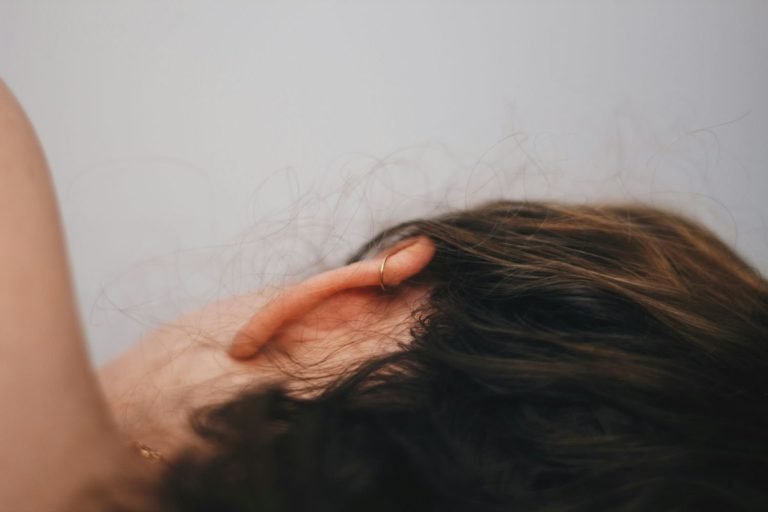
- Ear Acupuncture: Also known as auricular acupuncture, this technique involves stimulating points on the ear that correspond to various bodily functions. It’s particularly effective for pain management and hormone regulation.
“Ear acupuncture has shown promising results in reducing menstrual pain and regulating hormonal imbalances”
- Body Point Stimulation: This method targets specific acupuncture points on the body that correlate with pelvic health.
These targeted techniques not only address immediate symptoms but also aim to restore overall balance within the body.
Acupuncture’s multi-faceted approach—combining physical relief with holistic healing—makes it an appealing option for those seeking natural treatments for endometriosis.
Chinese Herbal Medicine: A Natural Complement to Acupuncture in Endometriosis Treatment
While acupuncture alone can provide significant relief for endometriosis symptoms, combining it with Chinese herbal medicine often enhances the overall treatment effectiveness. And if you don’t want to use acupuncture then Chinese herbal medicine is a stand alone option for the management of endometriosis. Traditional Chinese Medicine (TCM) employs a variety of herbs specifically tailored to address the imbalances causing endometriosis.
Key Herbal Formulas Used in Treating Endometriosis Symptoms Effectively
Several herbal formulas have been traditionally used in TCM to manage endometriosis. These include specific combinations of herbs that target common patterns identified in this condition, such as Blood Stagnation and Phlegm accumulation within the uterus.
These herbal formulas are designed not just to relieve symptoms but also to address underlying imbalances within the body. For instance:
- Blood Stagnation: Herb combinations help improve blood flow, reduce pain and reduce clots.
- Phlegm Accumulation: Herbs targeting phlegm act by clearing dampness and promoting better fluid metabolism within the body.
Combining these herbal treatments with or without acupuncture creates a synergistic effect that maximizes symptom relief while addressing root causes. This integrative approach aligns well with the holistic philosophy of TCM, offering a comprehensive way to manage endometriosis naturally.
Lifestyle Changes to Support Your Treatment Journey: Stress Management Techniques and Dietary Recommendations
Managing stress levels is vital for achieving successful treatment outcomes with endometriosis. Chronic stress can worsen symptoms, making it harder for your body to heal. Engaging in stress reduction techniques such as acupuncture, yoga, meditation, and deep-breathing exercises can make a significant difference. Yoga, in particular, not only helps in reducing stress but also improves flexibility and reduces pelvic pain.
When it comes to dietary recommendations, having a chat with your Chinese medicine practitioner about dietary therapy is ideal. There is not a one diet fits all scenario with endometriosis and Chinese medicine considers your constitution as well as symptoms when suggesting food to include in your diet and foods to avoid. However, it is still wise to consider a whole food diet while considering :
- Reduce inflammation: Foods rich in omega-3 fatty acids, like flaxseeds and walnuts, help reduce inflammation.
- Support hormone balance: Leafy greens, berries, and whole grains support hormonal balance.
- Boost energy levels: High-fiber foods keep you feeling full longer and provide sustained energy.
Practical tips:
- Incorporate more fruits and vegetables: Aim for at least five servings a day.
- Choose whole grains over refined grains: Opt for brown rice, quinoa, and whole wheat products.
- Limit intake of processed foods and sugars: These can increase inflammation and worsen symptoms.
Making these lifestyle changes can complement your acupuncture and Chinese herbal treatments, providing a holistic approach to managing endometriosis. Embracing both stress management strategies and dietary modifications can lead to a more balanced life.
Integrating Chinese Medicine with Conventional Treatments: A Holistic Approach to Endometriosis Management
The holistic treatment options for endometriosis often yield the best results when combining acupuncture sessions and personalized herbal prescriptions with standard medical interventions such as hormonal therapies or surgery. This integrated approach not only addresses the symptoms but also tackles the underlying causes of endometriosis.
Benefits of a Combined Approach
- Enhanced Symptom Relief: Combining acupuncture and herbs with conventional treatments can significantly reduce pain, inflammation, and other symptoms.
- Fewer Side Effects: Herbal medicine can mitigate some of the side effects associated with hormonal therapies.
- Comprehensive Healing: Acupuncture and Chinese herbal medicine promotes blood circulation and hormone regulation, complementing surgical outcomes and speeding up recovery.
Exploring Treatments like Acupuncture and Herbal Medicine Can Provide Management of Endometriosis
A natural approach to endometriosis treatment is gaining traction as an alternative or complement to conventional methods. While further research is needed on the efficacy of treatment of endometriosis with Chinese herbal medicine and acupuncture individually, growing evidence supports their combined use.
“The integration of both modalities shows promising results in symptom relief and overall well-being.”
Consider seeking qualified practitioners experienced in both acupuncture and Chinese herbal medicine. Julienne Tatkovic has been practising Chinese medicine focusing on women’s health for 15 years. She was also mentored under Dr Steven Clavey, a Chinese Medicine herbalist, who focused on endometriosis management with Chinese herbal medicine for over 25 years.