Transforming Menopause into a Second Spring
Menopause is a natural phase in our life as women and can bring various physical and emotional challenges due to hormonal changes, but also significant changes in our perspective of lifestyle and whether we are happy with our life. It can be a time for deep reflection and change, not only physically but emotionally and spiritually as well.
Many factors contribute to our experience of menopause. We need to look at our life history as a whole. Our physical health including menstrual and reproductive history, is only just one aspect. Our life experience is a factor that is often not thought about or even discussed yet can have a profound effect on our menopause transition.
In Chinese medicine, menopause is often referred to as “Second Spring.“ This metaphor highlights the potential for renewal and personal growth during the menopause transition. Embracing this perspective can shift how we perceive our experiences.
Adopting holistic approaches during menopause can lead to improved well-being. Key strategies include:
- Chinese herbal medicine to alleviate symptoms
- Stress management techniques to balance cortisol levels
- Mindfulness practices for emotional support
A comprehensive approach nurtures balance, allowing us to navigate this transition with grace and fulfilment.

Understanding the Stages of Menopause
Menopause unfolds in three distinct stages:
- Perimenopause: This phase can start in a woman’s 30s or 40s and may last several years. Hormonal fluctuations lead to irregular periods, mood swings, and physical symptoms such as hot flashes.
- Menopause: Defined as the point when a woman has gone 12 months without a menstrual period, typically occurring around age 51. Estrogen and progesterone levels decrease significantly during this stage, leading to various symptoms.
- Post-Menopause: This stage begins after menopause and continues throughout a woman’s life. Hormone levels stabilize at lower levels, but women may still experience symptoms related to hormonal changes.
Understanding these stages provides insight into the transformative nature of menopause.
The Impact of Stress on Menopausal Symptoms
Estrogen and progesterone get a bad rap in the menopause transition. However, cortisol, known as the stress hormone, can play a significant role in our experience of menopausal symptoms. During menopause, elevated cortisol levels can worsen various symptoms, including overwhelm, fatigue and weight gain. The hormonal changes that happen during this time make women more vulnerable to the negative effects of stress.
The effect that stress, especially chronic stress, from our daily life and the pressure we live under, have a profound effect on our health and wellbeing. This is often overlooked during the menopause transition. Instead the finger pointing goes to the reduction of our hormones, which DO have a massive impact on us, yet the effect of cortisol is often overlooked.
There is a belief that our body stops producing estrogen and progesterone. However, it does still produce them and you can read more about it in this article on cortisol and menopause.
How Elevated Cortisol Affects Menopausal Symptoms
Some of the symptoms include:
- Fatigue: Increased cortisol can lead to exhaustion, making it difficult to manage daily activities.
- Weight Gain: High cortisol levels are linked to increased appetite and cravings for unhealthy foods, contributing to weight gain
The Role of Pregnenolone Steal
The concept of pregnenolone steal further complicates this situation. When the body is under chronic stress, it prioritizes cortisol production over other hormones like progesterone and estrogen. This shift can result in hormonal deficiencies that worsen menopausal symptoms:
- Hormonal Imbalances: As cortisol takes precedence, lower levels of vital hormones can intensify feelings of anxiety and mood swings.
- Sleep Disturbances: Elevated cortisol disrupts sleep patterns, leading to additional fatigue.
Understanding the connection between cortisol levels during menopause and overall health is crucial for managing symptoms effectively. Recognizing how stress interacts with hormonal changes empowers us to explore holistic strategies for relief.
Holistic Approaches to Alleviating Menopausal Discomfort
1. Chinese Herbal Medicine
Chinese herbal medicine offers a wide range of natural remedies for menopause symptoms, based on thousands of years of tradition and practice. This approach focuses on balancing the body’s energy, or Qi, and addressing the underlying causes of discomfort rather than just treating the symptoms.
A personalized approach is essential in herbal medicine for hormonal balance. A Chinese medicine practitioner conducts an initial consultation involving a detailed health history review and tongue/pulse examinations to determine the most suitable herbal combinations.
Incorporating Chinese herbal medicine into daily routines not only addresses immediate menopausal discomfort but also promotes long-term health benefits. The focus here is on healthy ageing. Regular intake of these herbs helps stabilize hormone fluctuations during this transformative phase.
The benefits extend beyond physical symptoms, impacting emotional well-being positively. A balanced approach aids in reducing stress and anxiety levels, which are often worsened during menopause due to elevated cortisol levels. And this is the beauty of Chinese medicine – it is a holistic medicine that can also have an impact on emotional symptoms as well as physical symptoms.
As we embrace this natural path, you may find that your experiences of perimenopause and menopause transform from challenging phases into opportunities for renewal and enhanced vitality.
2. Acupuncture
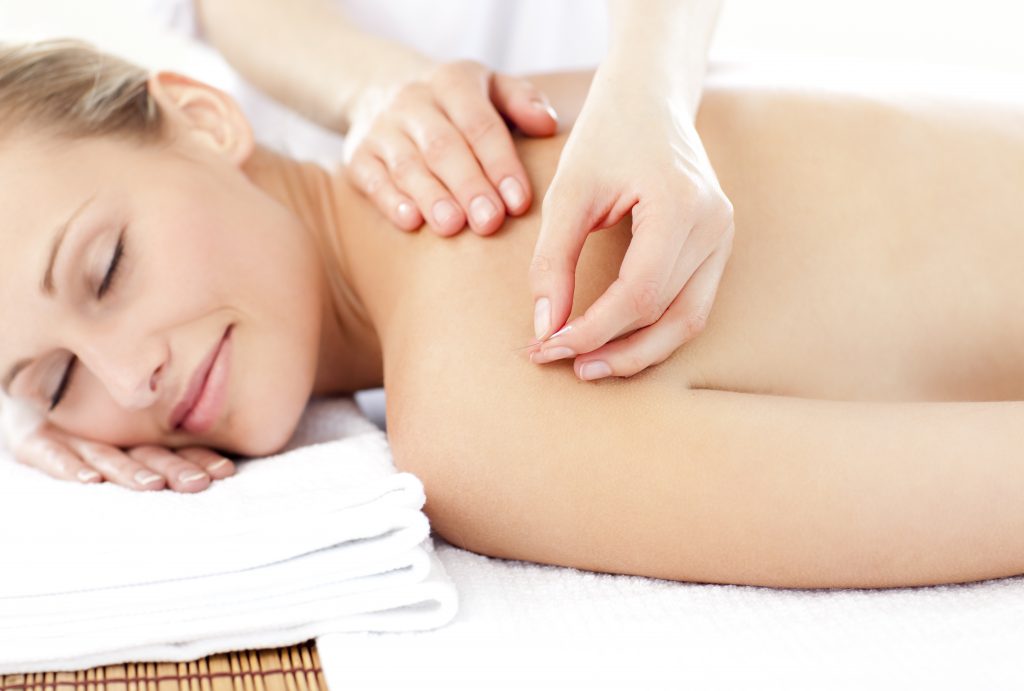
Acupuncture is a powerful tool for managing menopausal symptoms by promoting hormonal balance and overall wellness. By enhancing circulation and regulating the endocrine system, acupuncture addresses various challenges women face during menopause.
Acupuncture is a therapy which requires a course of treatment. A course may be 10-12 treatments of bi-weekly or weekly acupuncture sessions until perimenopausal and menopausal symptoms are reduced and you feel a sense of wellbeing.
Key benefits include:
- Hormonal Regulation: Acupuncture can help stabilize fluctuating estrogen and progesterone levels, offering relief from hot flashes and mood swings.
- Stress Reduction: This practice lowers cortisol levels, alleviating stress-related symptoms such as fatigue and sleep disturbances.
- Improved Well-Being: Regular sessions can enhance emotional health, reducing anxiety and improving sleep quality.
Incorporating acupuncture alongside other holistic practices—such as Chinese herbal medicine, yoga, and mindful lifestyle adjustments—can create a comprehensive approach to navigating this transformative phase. Integrating natural remedies for menopause symptoms fosters a supportive environment for us during this time of change.
3. Yoga during perimenopause and menopause
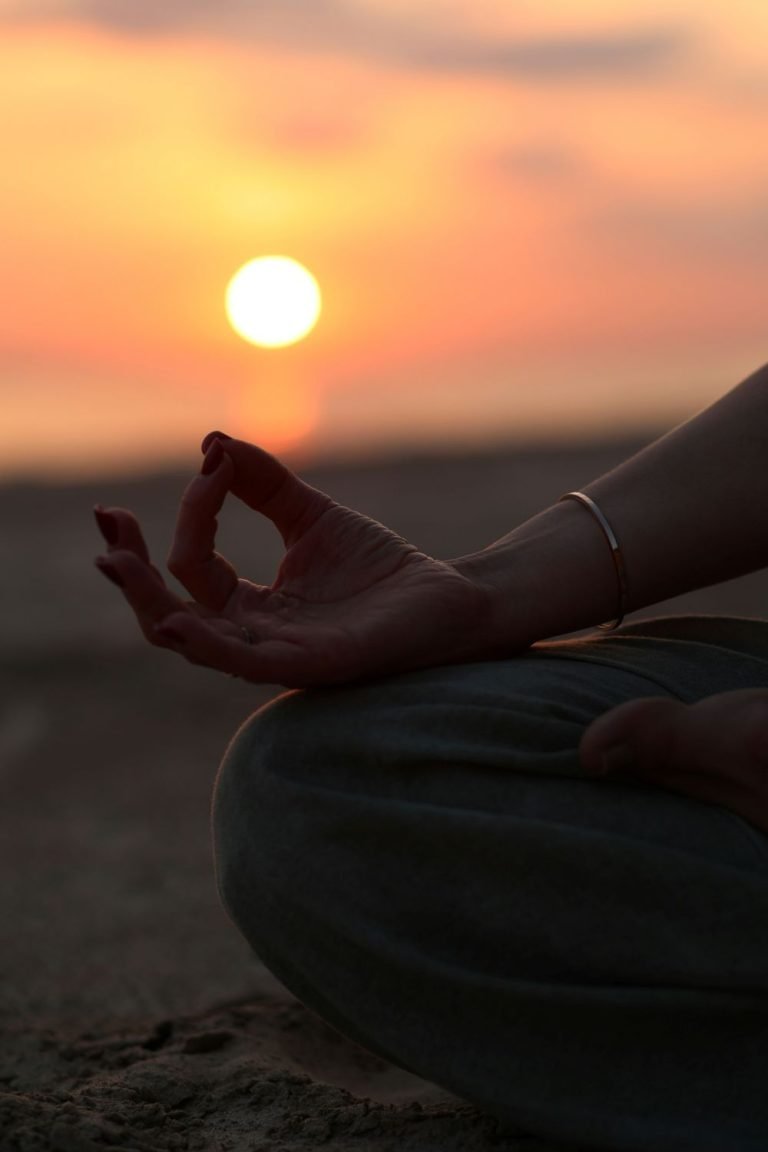
Incorporating yoga and mindfulness into daily routines offers numerous benefits during the menopausal transition. These practices can effectively manage stress levels, which is crucial for addressing many symptoms of menopause.
This does not mean practising yoga for an hour a day!
And here we are also not talking about the very physical, induce a sweat or twisting into a pretzel style of yoga that many people practice. There are many forms of yoga and incorporating restorative, yin and yoga nidra our practice can move our body from a stressed state into restore and relax which is what our body needs during times of significant change. We need resources and resilience. Especially emotional resilience and a reduction of stress during perimenopause and menopause.
Mindfulness techniques, including meditation and deep breathing exercises, contribute to emotional stability. These practices help us cultivate a sense of calm, encouraging a greater awareness of bodily changes. Bringing us out of our thinking mind and becoming aware of our body, how it feels and enhancing our wellbeing through this awareness.
Menopause yoga classes and workshops are offered at Me Hua Clinic.

Embracing the Journey
Menopause can be a profound opportunity for renewal, a second spring. It doesn’t have to be a burden. By embracing transformation during menopause, we can use this phase as a powerful catalyst for growth and self-discovery.
Key aspects to consider include:
- Self-Care Strategies: Prioritize practices that promote well-being and balance.
- Holistic Approaches: Explore options like Chinese herbal medicine and mindfulness techniques to manage symptoms effectively.
- Mindfulness and Movement: Engage in yoga and other mindful practices to foster resilience.
Going through peri-menopause and menopause with grace enhances the experience, turning challenges into stepping stones for personal growth.