Hot flushes, night sweats and insomnia?
Hot flushes, night sweats and insomnia? Approximately 85% of women experience symptoms including hot flushes, night sweats and insomnia during peri-menopause and menopause. Many women turn to Chinese herbal medicine and acupuncture to help with the symptoms they experience during this time of change. Menopausal symptoms can have a huge impact on our daily life, impacting our health, physically emotionally and mentally.
While hormonal replacement therapy (HRT) is an effective treatment for menopausal symptoms, some women cannot take HRT for medical reasons and many other women prefer to choose a more natural approach. About 1/3 of Australian women use complementary and alternative medicine for menopausal symptoms. Chinese herbal medicine and acupuncture are methods that can help with manage hot flushes and other perimenopausal symptoms.
About Chinese medicine
Chinese medicine (CM) is a traditional medicine that has evolved for centuries. In Australia, Chinese medicine is considered a primary health care system and CM practitioners are AHPRA registered practitioners. Chinese medicine was bought to Australia by Chinese immigrants in the 1850s during the gold rush in Victoria. However, Chinese medicine is something that many of us have not grown up with. For this reason, it may be difficult to understand how it helps or even what it can help with. So let’s have a look at acupuncture and herbal medicine and how they can help with hot flushes.
Acupuncture for hot flushes
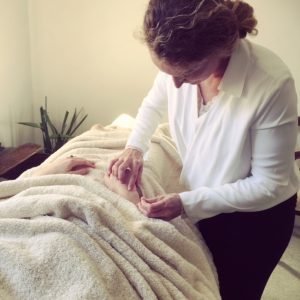
Acupuncture is an energy medicine. Acupuncture is working with our qi (pronounced chee). This qi is our life force and flows around our body in meridians and its branches. When the qi flows well, our body functions well. When it doesn’t flow well, we may experience pain and other symptoms that affect our health and wellbeing. In balancing our energy, our qi, we can experience an improvement in our health and wellbeing. Many people who have tried acupuncture and said it doesn’t work may not have had enough acupuncture sessions.
Acupuncture is a therapy. It is not a one-treatment wonder. Nor is there one prescription of acupuncture points that help with hot flushes, night sweats or other perimenopause or menopausal symptoms. An individualized diagnosis is needed for a successful treatment. In the initial health assessment, we go through a Chinese medicine diagnosis as well as diet and other lifestyle factors.
Once we have a Chinese medicine diagnosis a number of acupuncture points are chosen. For example, an acupuncture point found on the inner ankle Kidney 6 is often used for hot flushes. This point may be paired with a number of others to get the best effect. However, depending on the diagnosis, kidney 6 may not even be used. You will be asked to come in on a weekly basis for a course of acupuncture which is usually around 6-12 week. When this course is finished then we reassess how the treatment is going and whether to continue for another course of acupuncture.
Chinese Herbal Medicine for hot flushes

Chinese herbal medicine is another therapy we use for hot flushes and other symptoms of perimenopause and menopause. How does Chinese medicine work? The first step is determining the Chinese medicine diagnosis. This diagnosis is looking at the dynamics of our body and how they are working together, or not. Imagine a clock with all the different cogs going round and round. If one of these cogs are slow, or stops, it effects the rest. So we are looking at what is not working and why, and what can we do about it.
Once we have a diagnosis, a number of herbs are chosen to be cooked up together in a decoction to produce an effect. Ther herbs are generally based on an ancient formula and then modified according to your constitution and your symptoms you are experiencing. Two women coming in for treatment of hot flushes may receive completely different herbal formulas.
If you are having acupuncture as well, you will be coming in weekly. However, if you are only having herbal medicine, initially you will have a consultation every 2 weeks to change the herbal formula as your symptoms change and improve.
Understanding your diagnosis
Here, let’s look at some of the common Chinese medicine patterns with symptoms of hot flushes that I come across in clinic.
Kidney yin deficiency with heat
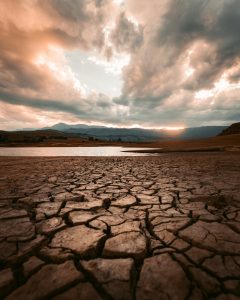
Yin is about nourishment, it is moisture, it is cool and it is what makes up our body, our structure. Yin is our bones, our muscles, and our tissues. We can touch yin because it has form. Without yin, without moisture and coolness we have a tendency to feel too warm. When our yin is deficient, which happens as we age, we might notice our feet are hot at night and need to have them out of covers, our skin is dry and loses structure, we have hot flushes worse at night, night sweats and water by the bed because we are thirsty. A way to picture it, is like dry hot earth – we are lacking moisture and nourishment of our tissues and any fluid is just scorched by the heat. It can be so dry, even if we pour water on, it just drains away and is not absorbs.
Kidney yang deficiency
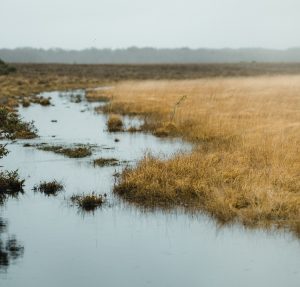
Yang is about our ability to move. It is energy, warmth, flow. Without yang, our body would not move, our blood would not flow and we would feel cold. Things can stagnate and not move. The earth becomes cold and wet, like walking through swamping ground. Our body becomes cold, we easily put on weight. But because we are cold and stagnate, from the lack of movement, heat builds up and we have hot flushes.
Ying and wei disharmony
The ying and wei to do with our pores. Our pores open and close to control our temperature. When they don’t work properly, we call this a ying and wei disharmony. If the pores don’t open, we don’t have the ability to sweat to cool down. We can have a chimney type effect where the heat rushes up to our head.
Liver Qi stagnation
Often menopausal symptoms, including hot flushes are worse with stress. We also experience irritability, being quick to anger and lack of patience. We may become intolerant to loud noises. Other symptoms apart from hot flushes could include depression. The hot flushes here are from a build up of tension because our qi is not flowing. When things don’t flow, heat is created.
There are many different patterns that can cause hot flushes, this is why we need an individualised approach to treatment. What works for you, may not work for another.
Night Sweats or day time sweats
Actually, sweating in menopause is not just at night. You can sweat at any time. Some women can have hot flushes without any sweating and for other women it may just a clammy feeling. There can be sweating in just certain parts of the body. Though it can also be so dramatic that sweating at night means getting up and changing your clothes and sheets!
The degree of sweating does matter to our health. We can top up our fluids with a slight sweat, though it is still uncomfortable, and if we are in a work situation we might find it distressing. Severe night sweats though, means we are losing lots of fluid and for Chinese medicine, this drains our qi and of course our fluids.
Sweating in Chinese medicine can be caused by different things – there is not a one diagnosis that fits all. For example, it can be ying and wei disharmony, where we will sweat only on the head. The severe night sweats are generally kidney qi deficiency, where the qi is not strong enough to contain the fluid in our body and just leaks out. Imagine a bucket of water with holes in it – the water just pours out. Not only do we need to stop the sweating to prevent further damage to our yin and fluid resources, we also to replenish the fluids to prevent dryness. We can use both acupuncture and herbal teas to stop sweating, though to replenish fluids we need to use herbs. Drinking water may not be enough, especially if the tissues in our body are so dry, fluids may not be absorbed and just run off. We have special herbs to allow fluids to be absorbed.
Insomnia and menopause
The ability to sleep cannot be under-estimated during perimenopause and menopause. If you have ever experienced the debilitating effects of insomnia, you will know what I mean. “It would be ok, if I was just able to sleep” is something I have heard in clinic. When we don’t get enough sleep, it can affect our cognitive functioning, our emotional resilience and ok course our energy levels. Walking around like a zombie day after day is not fun!
Two of the main culprits, for insomnia in menopause or perimenopause, I have seen in clinic is blood deficiency and kidney yin deficiency with heat. Heat rises, and it is the same in our body and this heat can play havoc with our ability to sleep.
Blood deficiency is another cause for insomnia (this is not anaemia). Blood in Chinese medicine is viewed more broadly. Not only does it nourish our body with its nutrient-full fluid, it also has an effect on our emotional, mental and spiritual wellbeing. Dietary therapy and Chinese herbs are the best way of restoring blood quality and acupuncture is great at improving its flow. Imagine syrupy blood flowing through our vessels, when it is too thick it won’t nourish our tissues, muscles, ligaments, tendons or brain. That is why we need to work on blood quality. Is it performing the function it needs too?
Exercise
Studies have found exercise can help to reduce hot flushes during menopause. Try to have daily activity of about 30 minutes in duration. Chose something you enjoy doing and doesn’t become a chore. Mix it up with walking, gym, dancing, yoga – what ever takes your fancy. Don’t forget, doing housework is also exercise!
It is all about you
With Chinese medicine, we are not treating disease, we are treating you, the unique being that you are and how you are experiencing your life. And we look for patterns in your health mosaic. The questions asked during your initial health assessments goes looks at what is troubling you the most, as well as how the different systems in your body are working and the interrelationship between them. It is a holistic approach.
Do you wish to use Chinese Medicine for
perimenopause or menopausal symptoms?
The first step is booking an initial consultation where we go over your symptoms, health and lifestyle history as well as a Chinese medicine diagnosis to plan an individualized treatment plan for you.