Dietary recommendations for Spleen Qi deficiency
Spleen Qi and Blood Production for Women’s Health
In Chinese medicine, the spleen energetic system transforms food into energy and blood, maintaining strength, fertility, and regular menstruation. Weak spleen qi can contribute to fatigue, irregular, heavy, or scanty periods, pale complexion, and greater risk of deficiency in the reproductive years.
Supporting spleen qi with acupuncture, herbal medicine and dietary therapy lays the foundation for healthy blood, vital for women’s hormonal balance, reproductive function, and pregnancy.
A consistent routine of warm, nourishing meals, acupuncture, and herbal medicine is a holistic path to robust digestive and reproductive health.
Eating warm, cooked foods is essential for those with spleen qi deficiency because this dietary approach supports the digestive system’s ability to transform food into usable energy (qi).
Why Warm Cooked Foods Matter
In Chinese medicine, the spleen is considered the “centre” of digestion, likened to a cooking pot or “digestive fire” that converts food into energy. Cold, raw, or iced foods “douse” this metabolic fire, forcing the spleen to work harder to warm and digest what is consumed, which can lead to further weakness and digestive symptoms.
Eating cooked and warm meals reduces the burden, allows more efficient extraction of nutrients, and preserves digestive strength.
Supporting Digestive Fire
When the digestive fire (spleen yang) is weak, the following symptoms are common:
- Fatigue or sluggishness after eating
- Poor appetite and bloating
- Loose stools, diarrhea, or incomplete digestion
- Cloudy thinking, poor concentration, and feelings of heaviness
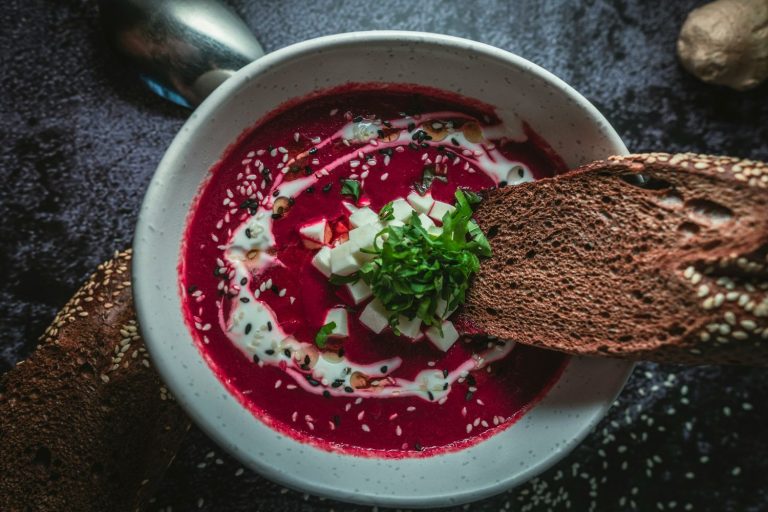
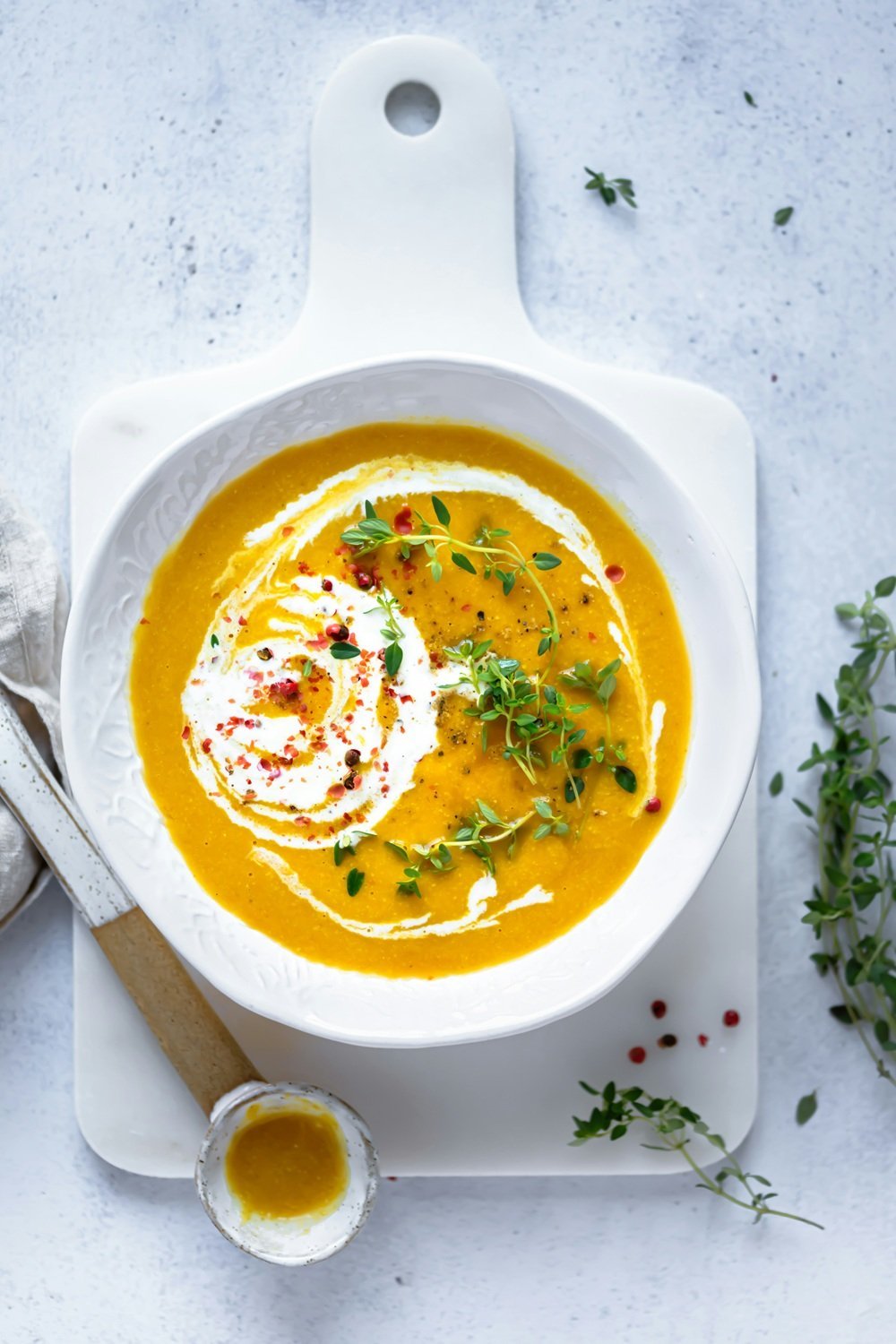
Warm, cooked meals—such as soups, stews, porridges, and steamed vegetables—help maintain the optimal environment for digestion, making it easier for the body to absorb nutrients and produce energy.
Diet Is More Than Food Choice
Chinese dietary therapy emphasizes that health is not just about what is eaten, but also how food is digested and metabolized. For those with weak digestive fire, properly prepared, warm foods, eaten slowly and mindfully in a relaxed setting, are vital to recovery and sustained wellness.
Following these principles is a cornerstone of patient handouts for spleen qi deficiency, helping individuals actively rebuild digestive strength and energy through their everyday meals.
The best dietary advice for spleen qi deficiency in Chinese medicine focuses on eating warm, cooked foods, avoiding cold/raw items, and strengthening digestion through balanced meals and specific food choices.
What Is Spleen Qi Deficiency?
Spleen qi deficiency is described in Traditional Chinese Medicine (TCM) as a weakened ability of the spleen to transform food into qi (life energy). Key symptoms can include fatigue, poor appetite, digestive issues like bloating or diarrhea, and weakness.
Core Dietary Principles
- Prioritize warm, cooked meals to support digestive “fire”.
- Eat regular, smaller, and frequent meals.
- Avoid cold drinks, raw or iced foods, high-fat and greasy foods, and excess sweets or dairy.
- Relax while eating and chew thoroughly.
Recommended Foods
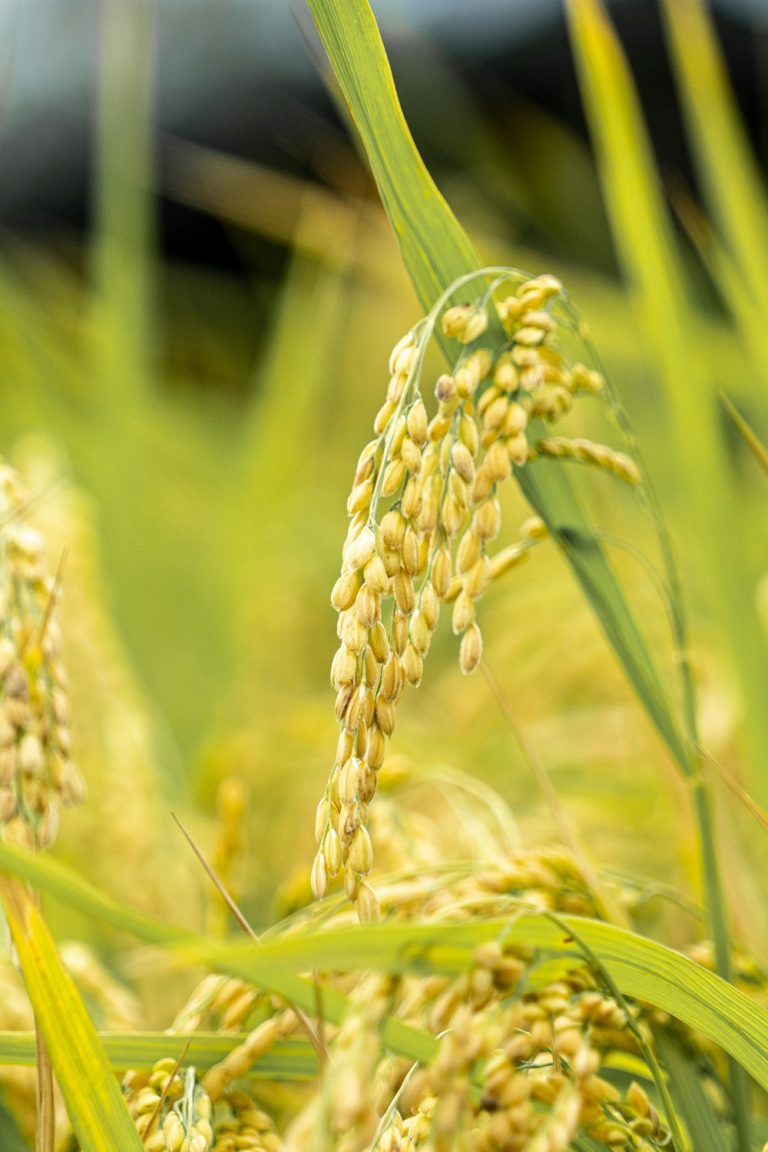
- Grains: Cooked whole grains (rice, oats, millet, barley, spelt), sweet rice.
- Vegetables: Pumpkin, squash, sweet potatoes, carrots, yams, parsnips, peas, onions, leeks, turnip, mushrooms, cabbage.
- Fruits: Stewed or cooked apples, apricots, dates, figs, cherries, raisins.
- Proteins: Chicken, beef, lamb, quail, goose, turkey, fish (trout, salmon, tuna), beans, lentils, eggs, tofu.
- Nuts and Seeds: Peanuts, hazelnuts, walnuts, pistachios, sesame.
- Spices and Herbs: Ginger, cinnamon, nutmeg, black pepper, fennel, garlic.
- Teas: Ginger tea, fennel tea, cinnamon-spiced teas.
Foods to Limit or Avoid
- Raw, cold, or iced foods and drinks.
- Dairy products (milk, yogurt, cottage cheese).
- Refined sugar, pastries, confectionery, soft drinks.
- Bananas, oranges, pineapples, citrus fruits.
- Raw salads, cucumbers, tomatoes.
- Excessively fatty, fried, or greasy foods and rich meals.
- Beer, yeasty foods, and fruit juices.
Suggestions
- Eat warm, cooked, and simple meals based on grains, root vegetables, poultry, and gentle spices.
- Eat soups and stews, and if you have something cold, follow up with a cup of soup.
- Avoid stress while eating; sit down and eat mindfully.
- Chew your food well, digestion begins in the mouth
- Limit cold, raw, greasy, and overly sweet foods to ease digestion and boost energy.
This guidance aligns with key practices in Chinese medicine dietary therapy for supporting and recovering spleen qi function.
Integrative Support
Regular acupuncture and Chinese herbal medicine are proven tools to support spleen qi.
Acupuncture gently regulates digestion, improves energy, and supports the body’s ability to recover from deficiency. Herbal medicine supplements qi and blood.
Combined, these therapies empower the digestive system, enhance nutrient absorption, and restore general vitality—especially when paired with mindful dietary choices