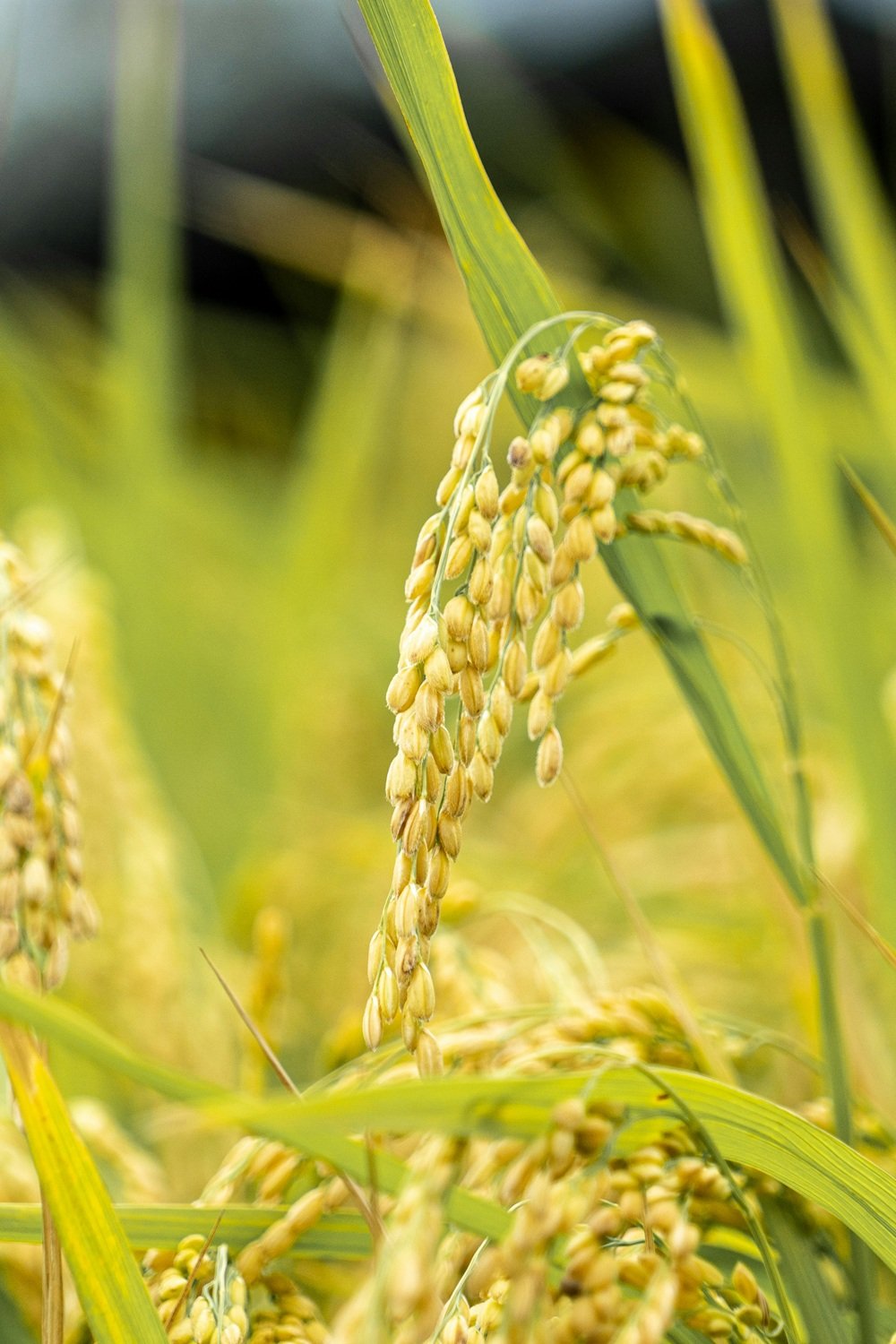
Congee for Women’s Health
Gentle Nourishment from a Chinese Medicine Perspective
Congee — the humble rice porridge — has been a staple in Chinese kitchens for centuries. You will find it is a staple in 15 countries around the world. It is eaten not just for its comfort, but also for its healing power.
It is one of the simplest yet most healing dishes in the Chinese culinary and medicinal tradition. More than just a comforting breakfast, congee is considered a therapeutic food that gently supports digestion, replenishes energy, and restores balance.
In Chinese medicine, food is chosen for its energetic qualities as much as its taste, and congee is one of the gentlest, most restorative dishes we can offer the body.
For women, congee holds a special place as a warming, blood-nourishing, and digestive-friendly food that supports vitality through all life stages — from menstruation to pregnancy, postnatal recovery, and menopause.
I often suggest eating congee as self care and sometimes as part of the therapeutic process with a Chinese medicinal formula.
Why Congee Benefits Women’s Health
In Chinese Medicine, women’s health depends on the smooth flow and abundance of Blood and Qi. Congee is prized because:
- It’s easy to digest, allowing the Spleen and Stomach to absorb nutrients without strain.
- It gently builds Blood and Qi, especially when cooked with nourishing ingredients.
- It warms and centres the body, supporting the womb and dispelling cold that can cause menstrual discomfort.
- It replenishes fluids, easing dryness and restoring balance during times of hormonal change.
By adjusting the ingredients, congee can be tailored to support specific phases of a woman’s cycle or life stage.
Because it’s a neutral base, congee can be tailored with herbs, vegetables, meats, or spices to target specific health needs. For example, adding goji berries and red dates nourishes Blood, while ginger and spring onion can help dispel cold.
Basic Congee Recipe
Ingredients:
- 1 cup white rice (jasmine or short-grain works well)
- 7–8 cups water or broth (more for a thinner congee)
- Pinch of salt
Method:
- Rinse the rice until the water runs clear.
- Place the rice and water (or broth) in a large pot.
- Bring to a boil, then reduce to a very gentle simmer.
- Stir occasionally to prevent sticking.
- Cook for 1–1.5 hours, adding more liquid if needed, until the rice has broken down into a creamy, soupy texture.
- Season lightly with salt, or leave plain if intended for a medicinal preparation.
Serving & Enjoying
Congee can be eaten any time of day, but it is especially beneficial as a warming breakfast. In the colder months, it helps to warm the core; in times of weakness, it restores energy without overwhelming the digestion.
As the Chinese saying goes, “Congee is the most compassionate of foods.” It offers the body a chance to heal while still receiving nourishment — a gentle reminder that sometimes, the simplest foods are the most powerful.
Optional Additions for Healing Purposes:
- Ginger slices – warms the body, aids digestion.
- Goji berries – nourishes Liver and Kidney Yin, supports the eyes.
- Chicken or pork – strengthens Qi and Blood.
- Pumpkin – supports digestion and transforms dampness.
When to Enjoy This Congee
- During menstruation – Helps replenish Blood after the period.
- Postnatally – Supports recovery, rebuilds strength, and encourages healthy milk production.
- During perimenopause or menopause – Nourishes Yin and fluids, easing dryness and hot flushes.
- Any time of fatigue or digestive weakness – Restores energy without burdening the body.
Tip: For best results, enjoy congee warm, and avoid pairing it with cold or raw foods that can weaken digestion.
As a soft, soothing dish, women’s nourishing congee is like a warm embrace from the inside — reminding us that true healing often comes from slowing down, simplifying, and giving the body exactly what it needs.