Blood building for women’s health
In this blog we will be talking about why blood deficiency in Chinese medicine can create so many issues for women – physically, emotionally and mentally. And we will touch on the principles of how to build blood through your diet.
Blood deficiency in Chinese medicine describes a state where the body lacks sufficient nourishing blood to moisturize tissues, maintain vitality, and support mental and hormonal health; it is more holistic than the biomedical concept of anaemia.
What Is Blood Deficiency?
In Traditional Chinese Medicine (TCM), blood is a vital substance that nourishes organs, skin, hair, and the mind. Blood deficiency can manifest as fatigue, dizziness, dry skin, insomnia, scanty or irregular menstruation, pale complexion, and feelings of anxiety or forgetfulness. Unlike anaemia—which focuses on red blood cell and hemoglobin counts—TCM blood deficiency considers digestion, qi, spirit, and the body’s capacity to absorb and generate blood.
Blood Deficiency vs Anaemia
- Anaemia is diagnosed by lab tests showing low red blood cells/hemoglobin, with symptoms like pallor, fatigue, and weakness.
- Blood deficiency in TCM also involves pale features, tiredness, and dizziness, but expands to mind, sleep, mood, and organ function (especially heart, liver, and spleen).
- Qi and blood are interconnected: deficiency often impacts both, and treatment addresses digestion and qi as well as blood.
Blood Deficiency in Women’s Reproductive Years
Women are especially prone to blood deficiency due to regular menstrual blood loss and increased demands in perimenopausal years. Symptoms can include irregular cycles, heavy periods, pronounced fatigue, scanty or absent periods, heightened anxiety, and trouble focusing. Perimenopause is marked by hormonal shifts and abnormal bleeding, further increasing the risk of deficiency. Maintaining robust blood is critical for fertility, menstrual health, emotional balance, and healthy transitions through midlife.
Core Dietary Recommendations
Blood-nourishing foods are typically warm, cooked, easy to digest, and rich in vital nutrients:
- Grains: rice, oats, barley, sweet rice.
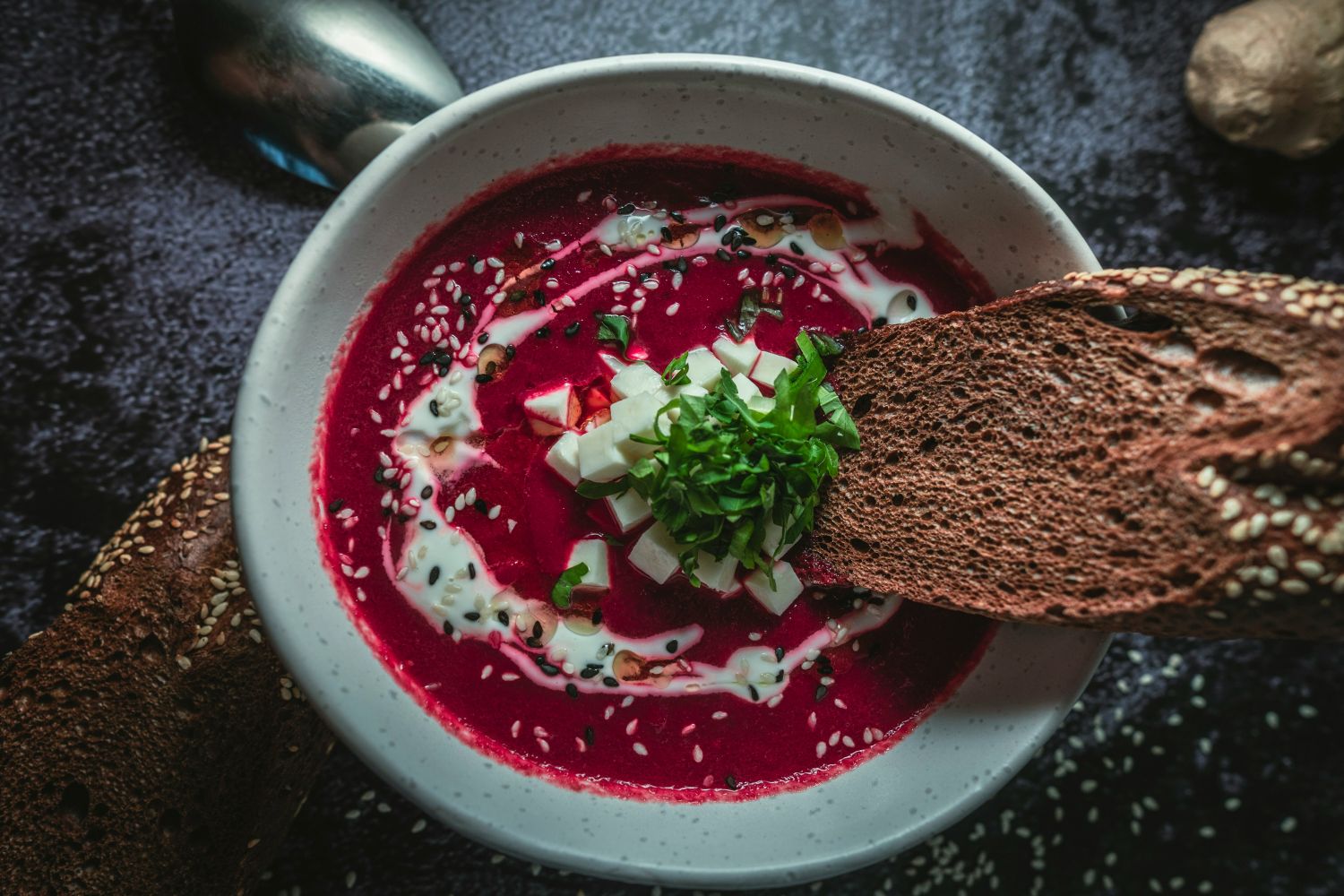
- Vegetables: beetroot, dark leafy greens, spinach, artichoke, dandelion leaf, shiitake mushroom.
- Fruits: dates, longan, grapes, mulberry, figs, apples.
- Beans: aduki, black soya, kidney beans.
- Nuts/seeds: black sesame, almonds.
- Animal foods: beef, liver, bone marrow, mussels, oysters, sardines, chicken eggs.
- Herbs & spices: nettle, parsley, ginger, cinnamon.
- Condiments/oils: molasses, amasake.
Meals like congee, stews, and slow-cooked dishes support the spleen and stomach, helping transform food into blood and qi. Avoid excessive raw, cold, processed, or sugary foods, which weaken digestion and hinder blood production.
Acupuncture, Herbal Medicine, and Individualized Care
- Acupuncture restores harmony, supports organ function, and can alleviate symptoms like fatigue, insomnia, mood changes, and menstrual irregularities.
- Herbal medicine provides formulas like Si Wu Tang, Ba Zhen Tang, and herbs such as Dang Gui, Shu Di Huang, Gou Qi Zi, and Longan that are tailored to a patient’s unique presentation.
- Chinese medicine dietary therapy considers constitution, symptoms, age, lifestyle, and season. This complexity means care should be individualized for optimal effect—see a qualified practitioner at Mei Hua Clinic for assessment and a personalized treatment plan.
If experiencing fatigue, irregular cycles, insomnia, poor concentration, or signs of deficiency, consider working with a Chinese medicine practitioner for acupuncture, tailored herbal support, and dietary counseling. Blood deficiency has many nuances and effective treatment is individualized. Visit Mei Hua Clinic for supportive care and a personalized path to restored vitality and wellbeing.