Repairing the uterus after C-section
Who is talking about healing after C-sections?
C-sections, or cesarean surgeries, are now one of the most common surgical procedures in the world. In Australia, around one in three births are via C-section. Yet, despite how frequent they are, conversations about healing after a C-section are surprisingly rare. This matters because scar tissue from a C-section can create lasting issues in the pelvic region, including secondary infertility.
Why does this matter? Scar tissue from a C-section can create lasting issues in the pelvic region — including secondary infertility.
Understanding What Happens During a C-Section
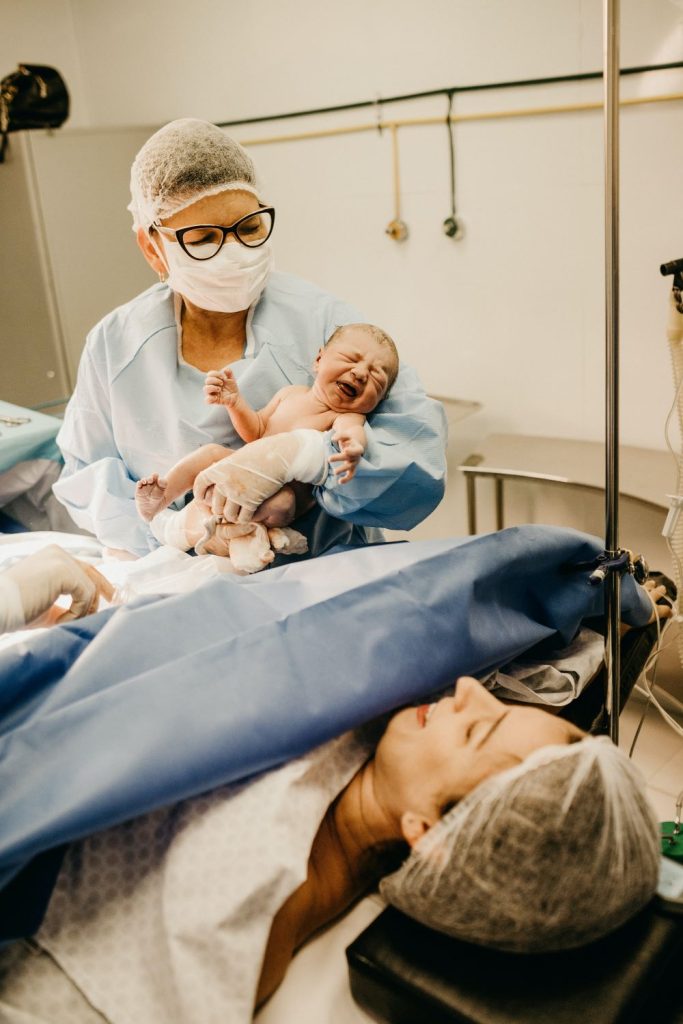
During the procedure, your lower abdomen is opened and your baby (or babies) is delivered. The uterus is returned to position, and the incision is closed. This is major abdominal surgery — the healing process involves scar tissue formation and can take around six weeks. However, in the busy postpartum period, there’s often little opportunity to prioritise focused self-care for post-operative recovery.
Acupuncture for post-operative pain
Post-operative pain is common after a C-section, and opioid medications are often prescribed. Acupuncture is another effective tool for pain relief.
A 2022 German study found that among 60 women recovering from C-section:
- 98% of those receiving acupuncture were fully mobile the next day
- And only 58% in the standard care group
- Compared with 83% in the placebo group
These results highlight acupuncture as a valuable, low-risk option for post-surgical pain management.
Scar tissue – More than skin deep
Scar tissue is a natural part in wound healing. However, scars can have an effect on the on our blood and lymph flow, as well as our surrounding organs.
Unfortunately scar tissue formed after a C-section can attach your uterus to the bladder and other structures in your pelvic region. This causes reduced blood flow to the area, lymphatic congestion and the inability of organs to function properly. Some symptoms that may be experienced include:
- Bladder incontinence
- Pain in the lower back or pelvic region
- Reduced sensation below scar
- Sexual dissatisfaction
- Difficulty conceiving – secondary infertility
Acupuncture for scar healing
Acupuncture can also aid in scar healing. Acupuncture involves the insertion of thin needles into specific points on the body to stimulate energy flow and promote healing.
When it comes to scars, acupuncture can help by improving blood circulation to the affected area and stimulate the production of collagen, which is essential for healthy skin regeneration. This can result in reduced scar tissue formation and improved overall appearance of the scar.
Acupuncture and moxibustion, a warming therapy, is used for scar therapy to improve blood flow and qi to the area of the scar. Once your wound has healed, gentle self-massage can further support recovery and scar mobility.

The role of ligaments in recovery
The uterus is held in place by muscles and ligaments, which stretch during pregnancy. In both vaginal and C-section births, the hormone relaxin, loosens these ligaments to prepare for delivery. After birth, weakened ligaments can cause the uterus to tilt forward, back, or sideways — disrupting blood and lymph flow and potentially causing physical or emotional symptoms.
Lymph and blood flow for healing
The restriction of blood circulation and lymphatic flow to the pelvic region can wreak havoc on hormonal balance, bowel movements, urination and blood flow to the legs.
If blood flow is not optimal, it stagnates. The tissues in the area are not supplied with fresh blood, and instead old blood congeals. If lymphatic flow is restricted, tissue waste product is not transported away. Nerve endings, if constricted, can cause pain.
The functioning of our internal organs can be compromised if they lose the ability to move freely. Stress and tension tighten the muscles fibres which affects the blood flow, and therefore nutrients to nourish our tissues. The lymph removes the waste from the tissues, and if the lymph system is not flowing properly, waste builds up.
The impact of cold
Have you noticed how our body responds to cold? Our tissues constricts and tightens which stops blood flow. When we have surgery we are generally in a very cold surgical ward, on a cold bed. Our internal tissues are also exposed to cold. In Chinese medicine, this cold can linger in our uterus and can cause pain including painful periods. When women come in and see me for healing after c-sections, this is something we address during our consultations. Some of the therapies I use for addressing the impact of cold on our body is mother warming and cupping out the cold. These therapies help dispel the cold and restore warmth to the pelvic region.
Emotional healing after c-section
Unexpected C-sections can be emotionally challenging. Acupuncture has a calming effect on the nervous system, helping reduce anxiety and supporting emotional recovery.
The C-section recovery program
The C-section recovery program combines a number of modalities to enhance healing and repair the pelvic region. Treatments focus on relaxing adhesions, lymphatic drainage, improving blood circulation to muscles, ligaments and organs. This improves the functioning of the organs in the pelvic region. If the hormonal system has been disrupted it may help balance the hormones and therefore improve mood and physical symptoms associated with hormonal imbalance.
C-section recovery program includes the Gentling Way abdominal and uterine therapy, acupuncture and moxibustion. Chinese herbs are optional.
When to start therapy?
Acupuncture can begin soon after surgery. Scar-focused therapy can be done months or even years later and the results can still be profound.