Holistic management PMOS (PCOS) with Chinese Medicine
PCOS is now PMOS
PCOS is now referred to as Polyendocrine Metabolic Ovarian Syndrome (PMOS) in updated international guidelines. The name change reflects a broader understanding that this is a hormonal and metabolic condition, not just an ovarian one.
The diagnostic criteria have not changed. If you have been diagnosed with PCOS, this diagnosis still applies.
The older name focused on ovarian appearance, but many people with symptoms do not have polycystic ovaries, and some with polycystic ovaries have no symptoms.
Symptoms can include irregular cycles, absent ovulation, acne, excess hair growth, weight changes, insulin resistance, fatigue and fertility issues.
Chinese medicine has always approached this as a whole body pattern involving hormones, digestion, stress and energy regulation.
What is PMOS / PCOS
PMOS is a complex hormonal and metabolic condition that can affect ovulation, menstrual cycles, fertility, skin health, energy levels and long term health.
PMOS is a common hormonal and metabolic condition that affects ovulation and hormone regulation.
It is usually identified through a combination of symptoms, blood tests and ultrasound findings, but not everyone will present the same way. Some people have clear cycle changes and metabolic symptoms, while others have more subtle signs.
PCOS can lead to a range of symptoms including weight gain, acne, excess hair growth, infertility, and insulin resistance. While modern medicine offers treatments such as hormonal therapy and fertility medications, many women are turning to alternative therapies like Chinese medicine for managing PCOS. In this article, we look at the impact of PCOS on women’s lives and how Chinese medicine can offer a holistic approach to its treatment.
Understanding PMOS
PCOS affects women of reproductive age and is one of the most common causes of infertility. It can also increase the risk of developing long-term health complications, including diabetes, heart disease, and endometrial cancer.
The exact cause of PCOS is still under investigation, but factors such as insulin resistance, hormonal imbalance, and genetics are believed to play a significant role. To effectively manage PCOS, it is essential to address these underlying factors and restore hormonal balance.
Why Ovarian Follicles Appear as “Cysts”
PCOS is a condition that affects numerous women and their fertility. Women can have 15 or more cysts in their ovaries. Every month as part of ovulation follicles form, one matures and ruptures sending an egg into the fallopian tubes for fertilization. The others break down and disappear. In PCOS these cysts do not mature or break down, instead they become fluid filled leaving the ovary with many cysts. The ovaries, filled with so many cysts, can become large with a thick lining making it difficult to ovulate. Many women are not diagnosed with PCOS until they are having difficulty to conceive.
Signs and Symptoms

There are a number of signs and symptoms that accompany PCOS including:
- excessive body hair
- skin issues
- menstrual and ovulation irregularities
- scalp hair loss
- mood changes including insomnia, anxiety and depression
- Some women are overweight or obese, yet other women may be very skinny
- Insulin resistance
- An excess of androgen hormones
The Holistic Approach of Chinese Medicine
Chinese medicine has been in practice for thousands of years and takes a holistic approach to health. It views the body as an interconnected system and aims to restore balance and harmony to promote overall well-being. For PCOS, Chinese medicine focuses on rebalancing the body’s energy, or Qi, and harmonizing the reproductive system. It takes into account the individual’s unique constitution and patterns of disharmony, providing personalized and targeted treatment.
Treatment with Chinese Medicine
“Chinese herbal medicines have a long history of treating gynaecological problems and infertility and therefore may be a novel approach to the treatment of PCOS. Current research demonstrates that the compounds isolated from herbs have shown beneficial effects for PCOS and when combined in an herbal formula can target both reproductive and metabolic defects simultaneously.”

Chinese Herbal Medicine for PMOS
Chinese herbal medicine is a cornerstone of Chinese medicine. A combination of specific herbs and formulas work synergistically to address the underlying imbalances in the body. For women with PCOS, TCM may prescribe herbal remedies that have been shown to regulate hormone levels, improve ovarian function, reduce inflammation, and promote overall reproductive health.
The starting place of treating PCOS is to regulate the menstrual cycle and promote ovulation. This is done through a thorough health assessment to diagnose the systems not functioning properly according to Chinese medicine physiology. The Chinese medical diagnosis will vary according to the signs and symptoms and constitution the woman presents with.
PMOS and Infertility
One of the major challenges for women with PCOS is infertility. Chinese medicine can be a beneficial treatment option for those struggling with PCOS-related infertility.
In Chinese medicine, infertility is often seen as a result of an imbalance in the body’s Qi and blood flow. By restoring balance and promoting the healthy flow of energy, Chinese medicine aims to improve fertility and increase the chances of conception.
Herbal remedies play a crucial role in addressing infertility. Certain Chinese herbs have been used for centuries to enhance fertility by improving the quality of the uterine lining and promoting regular ovulation. These herbs help to regulate hormones and promote a healthy menstrual cycle, increasing the likelihood of successful conception.
PMOS and Acupuncture
Acupuncture, another integral component of Chinese medicine, involves the insertion of thin needles into acupuncture points on the body. Acupuncture helps to restore the flow of Qi and blood, and stimulates the body’s natural healing processes. In the case of PCOS, acupuncture has shown promising results in regulating menstrual cycles, reducing insulin resistance, and alleviating symptoms such as acne and hair growth. Regular acupuncture sessions can help promote hormonal balance and enhance overall well-being.
Acupuncture is another important aspect of Chinese medicine for treating infertility. By stimulating specific acupuncture points related to reproductive health, acupuncture helps to regulate hormone levels and improve ovarian function. This can increase the quality and quantity of eggs released during ovulation, making conception more achievable. Acupuncture also helps to reduce stress and promote relaxation, which can have a positive impact on fertility.
The aims of Chinese medicine treatment for fertility are:
- Balancing the hormones to regulate the menstrual cycle
- Promote ovulation, reduce fluid filled cysts and diminish the thick lining around the ovaries
- Reduce stress and anxiety
- De-congest the pelvic region
- Encourage conception and a healthy pregnancy
Dietary Advice
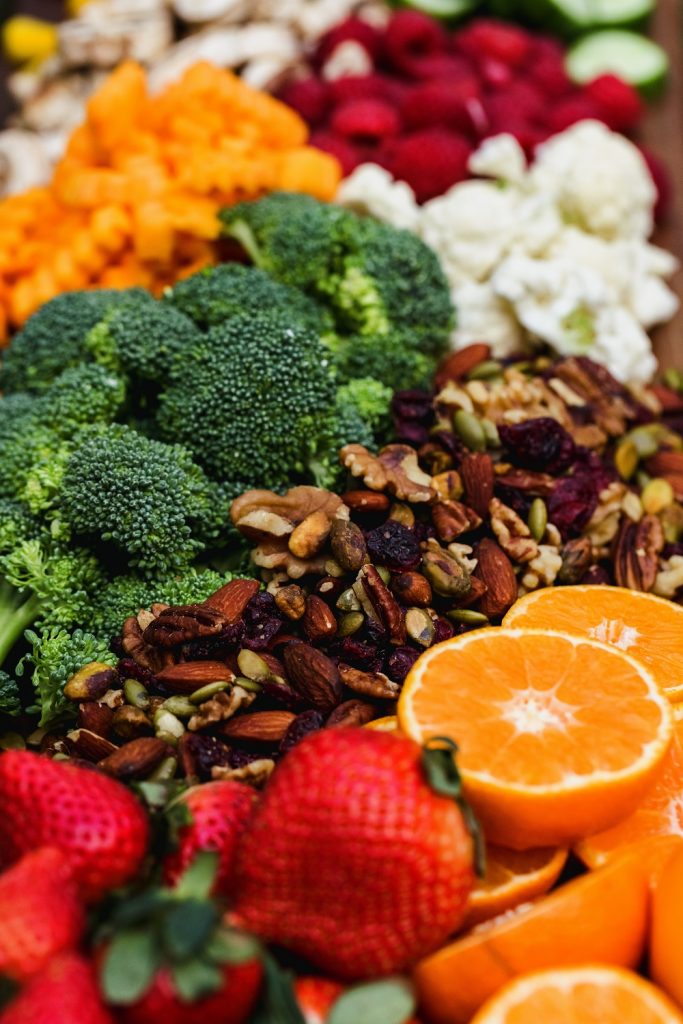
Dietary recommendations typically involve avoiding inflammatory foods, reducing refined carbohydrates, and emphasizing whole foods, such as fruits, vegetables, and whole grains.
Foods that are considered beneficial for women with PCOS include:
- Whole grains: Brown rice, quinoa, and oats are rich in and can help regulate blood sugar levels, which is important for managing PCOS symptoms
- Leafy greens: Spinach, kale, and Swiss chard are packed with essential nutrients like iron and folate. These nutrients are vital for promoting healthy ovulation and a regular menstrual cycle.
- Good fats: Include sources of healthy fats in your diet, such as avocados, olive oil, and nuts. They help reduce inflammation and balance hormones.
Food to Limit or Avoid
- Highly processed foods: Sugary snacks, fast food, and soft drinks should be minimized or eliminated from your diet. These foods can lead to insulin resistance and worsen PCOS symptoms.
- Dairy products: Some studies suggest that certain components in dairy products might interfere with hormone regulation. It is advised to opt for dairy alternatives or consume dairy in moderation.
However, as part of the treatment for PCOS in clinic, individualised recommendations are given. Everybody has a unique constitution and food as medicine is part of the unique treatment you receive.
Lifestyle
In addition to herbal remedies and acupuncture, Chinese medicine also emphasizes the importance of lifestyle changes to manage PCOS effectively. I may recommend specific massages or exercises to improve energy flow and reduce stress levels.
Regular exercise is also an essential part of Chinese medicine treatment for PCOS and infertility. Engaging in physical activity not only helps to maintain a healthy weight and improve overall cardiovascular health but also aids in balancing hormone levels and increasing fertility.

Yoga and PCOS
Yoga is another important component of the management for PCOS and infertility. This ancient practice combines physical postures, breathing exercises, and meditation to promote overall health and well-being.
When it comes to PCOS, yoga can be beneficial in several ways. First, it helps to reduce stress levels, which is crucial for managing PCOS symptoms. High levels of stress can disrupt hormone balance and hinder fertility. By practicing yoga regularly, women with PCOS can experience a reduction in stress and an improvement in overall mental and emotional well-being.
Furthermore, certain yoga postures can specifically target the reproductive system and help regulate hormonal imbalances. Poses that focus on the pelvic area and the ovaries, such as butterfly pose (Baddha Konasana) and reclining bound angle pose (Supta Baddha Konasana), can help improve blood flow to the ovaries and stimulate their function.
Yoga can help with weight management. By engaging in regular yoga practice, women with PCOS can improve their metabolism, thus supporting a healthy weight and reducing the risk of complications related to PCOS.
Julienne Tatkovic has 16 years experience in treating Women’s health, fertility and supporting women through pregnancy with Chinese herbal medicine and acupuncture. Her practice, Mei Hua Chinese medicine clinic, is in the beautiful seaside city of Moreton Bay, in Redcliffe. She is also qualified fertility yoga teacher and has on online yoga studio.