Clearer Skin Naturally: How Chinese Herbs & Acupuncture Help Combat Teen & Hormonal Acne
At Mei Hua Chinese Medicine Clinic, we believe that true wellness comes from balancing the body, mind, and spirit. One area where this holistic approach shines is in treating skin conditions like teenage and hormonal acne.
Acne is a common skin condition that often appears as pimples, blackheads, and cysts, causing frustration and low self-esteem.
If you’re struggling with acne, you’re not alone—many teens and adults alike experience breakouts due to hormonal changes, stress, and other lifestyle factors. Fortunately, Chinese medicine offers powerful, natural remedies that can help.
Types of acne according to Chinese Medicine
1. Heat in the Blood
Characteristics: This type of acne often manifests as red, inflamed pimples, cystic acne, and pustules, typically located on the face (especially the forehead, temples, and jawline). The skin may feel hot to the touch, and there may be an underlying sense of irritability or restlessness.
TCM Perspective: Heat in the blood is one of the most common causes of acne, especially during periods of hormonal fluctuation like puberty or menstruation. In TCM, heat is seen as a fiery force that rises to the skin, causing inflammation and redness. It can be triggered by factors like stress, excessive consumption of spicy or greasy foods, alcohol, or other “heaty” substances. The liver is often involved in this imbalance, as it governs the smooth flow of Qi and blood.
2. Damp-Heat
Characteristics: Acne caused by damp-heat tends to present as cystic or pustular acne with a greasy, shiny complexion, and the skin may feel oily. The breakouts are often found on the T-zone (forehead, nose, chin) or along the jawline. There may be a sense of heaviness or sluggishness in the body, and the skin may appear puffy.
TCM Perspective: Damp-heat is a combination of excess moisture and heat in the body. In TCM, the spleen is responsible for transforming food into energy and clearing dampness. When the spleen is weak or overloaded, it may fail to clear excess dampness, leading to a buildup that creates heat and clogs the pores, resulting in acne. This type of acne is also often associated with poor digestion or an unhealthy diet high in greasy or fried foods.
3. Qi and Blood Stagnation
Characteristics: Acne related to Qi and blood stagnation often appears as hard, painful bumps, or cystic acne. The skin may be irritated or tender to the touch, and the acne is often located on the lower part of the face, particularly along the jawline or chin, which is also linked to hormonal fluctuations.
TCM Perspective: In TCM, blood and Qi (life force energy) flow through the body in a smooth and balanced manner. When this flow is disrupted, stagnation occurs, leading to conditions like acne. Blood stagnation is often tied to emotional stress, anxiety, or physical tension. Qi stagnation, often associated with the liver, can result from unresolved emotions like anger or frustration, leading to poor circulation and skin issues.
4. Lung Heat
Characteristics: Acne caused by lung heat often appears as small, red pimples or pustules, and it may also come with respiratory symptoms like a dry throat, cough, or nasal congestion. This type of acne is more likely to occur on the upper face, particularly the cheeks and nose.
TCM Perspective: In TCM, the lungs are responsible for controlling the skin and breathing. When the lungs are overheated or weakened by environmental factors like pollution, allergens, or dry air, they can lead to the appearance of acne. This type of acne is often aggravated by external heat and dryness and can be triggered by seasonal changes or allergies.
5. Spleen Qi Deficiency with Dampness
Characteristics: Acne resulting from spleen Qi deficiency presents as dull, pale skin with small, white or flesh-colored pimples. The skin may also appear dry and flaky, and there may be a tendency toward puffiness or water retention.
TCM Perspective: In TCM, the spleen plays a crucial role in transforming food into energy and maintaining healthy digestion. When the spleen is weakened, it becomes unable to clear dampness effectively, leading to the buildup of excess moisture in the body. This can contribute to the formation of acne, especially in individuals with a sluggish metabolism or poor digestion.
As you can see acne is classified into many times, and treatment will be different – different herbs, acupuncture treatments; and different lifestyle and dietary advice for each type.
Understanding these classifications enables personalized treatment strategies that target specific root causes, addressing chronic inflammation and promoting clearer skin naturally.
Chinese Herbs for Acne
Chinese herbs have been used for centuries to support the body’s natural healing processes, and they can be incredibly effective when it comes to addressing skin issues like acne. In Traditional Chinese medicine (TCM), acne is often seen as a sign of internal imbalance, such as excess heat or toxins in the body, or stagnation of energy in certain organ systems like the liver or digestive tract.
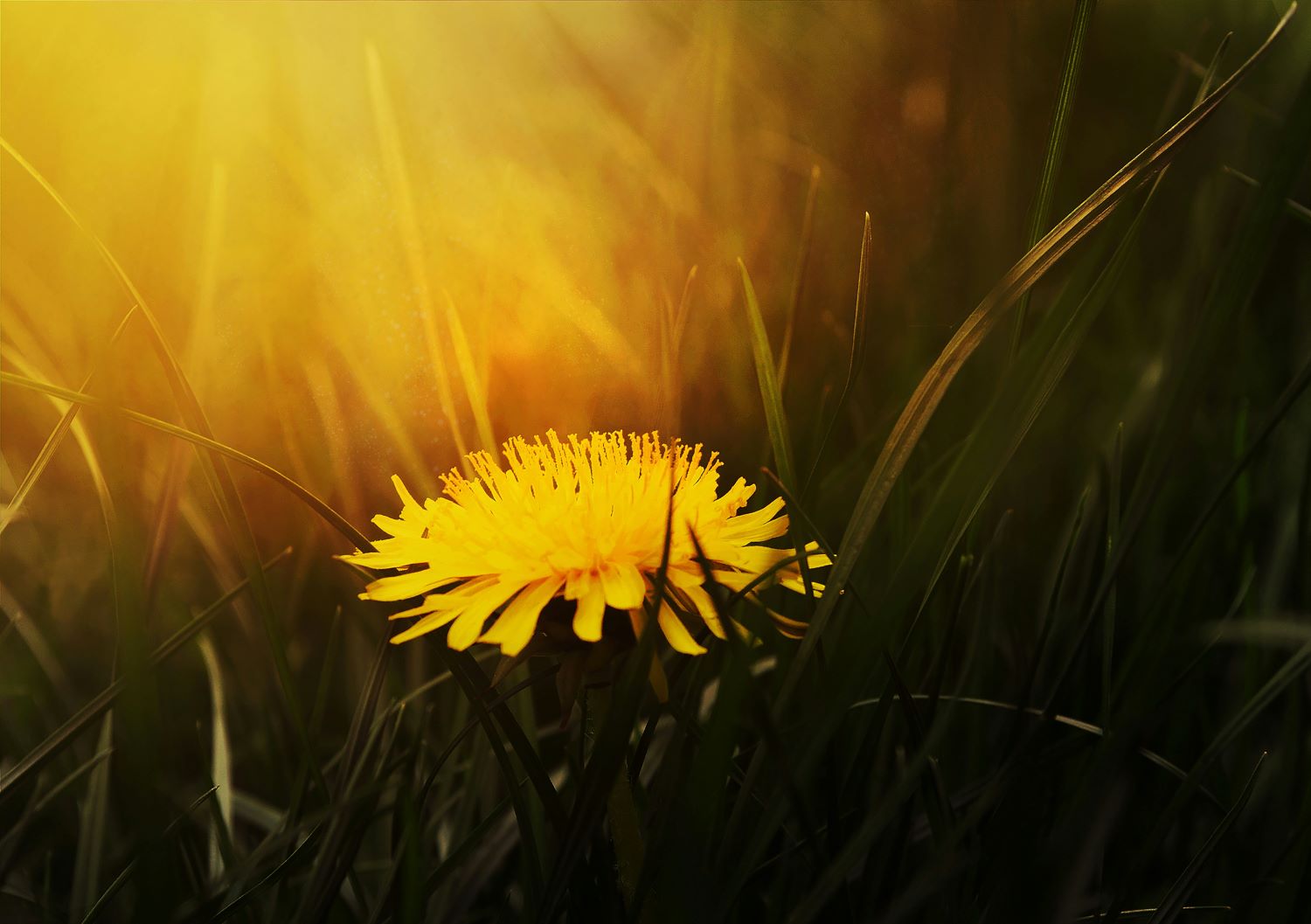
Herbal treatments can help clear these imbalances. For example, herbs like Rehmannia, Dandelion, and Coptis work to detoxify the body, reduce inflammation, and calm excess heat. By targeting the root cause of acne, Chinese herbs can help clear the skin from the inside out, addressing both the breakouts and the underlying factors that contribute to them.
In Chinese herbal medicine, you will receive a formula of herbs – this is a combination of a number herbs suited to the symptoms, the underlying cause and your constitution. A tea is made and drunk daily until treatment stops.
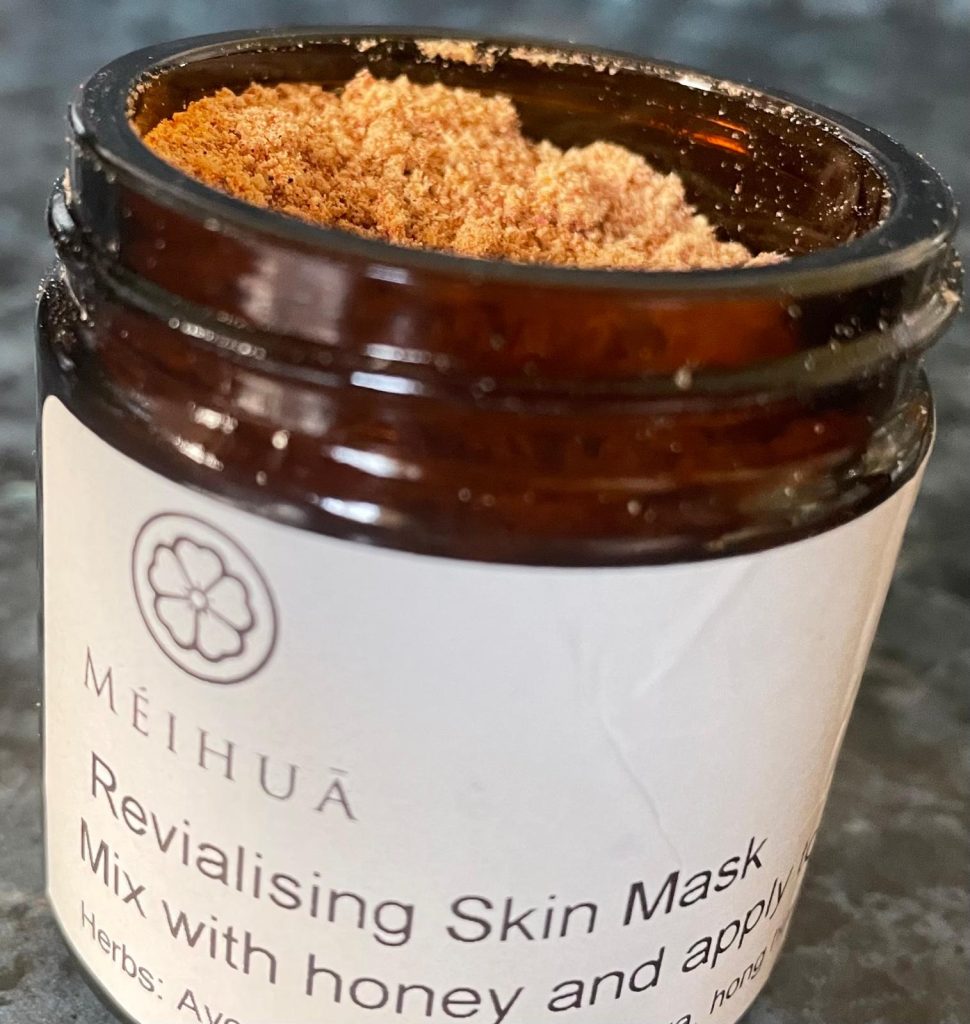
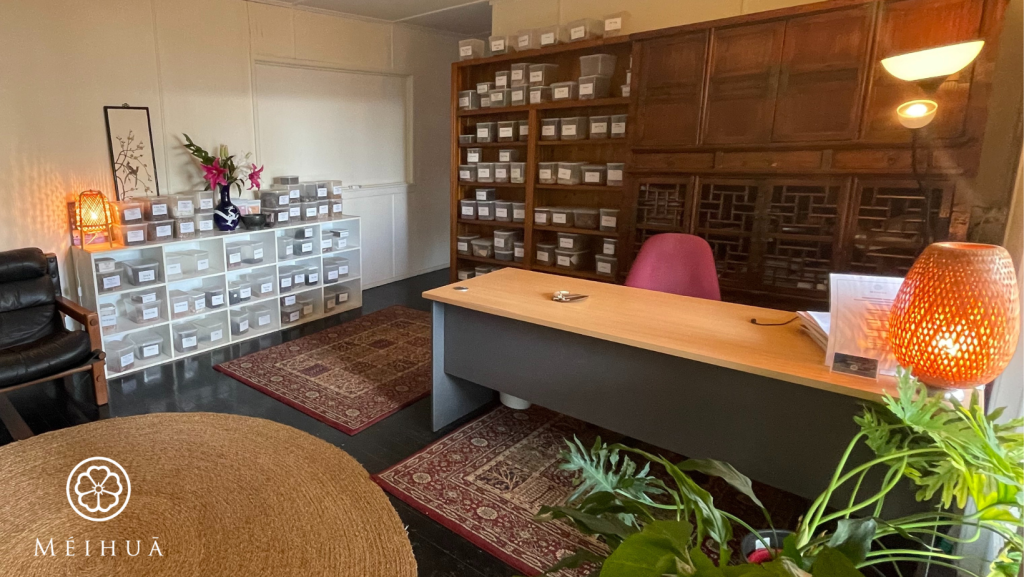
In addition to the tea, there are topical treatments as well. This includes a herbal wash, and a mask. These skin products are handmade at the Mei Hua clinic’s herbal dispensary.
Acupuncture: A Natural Way to Heal Acne
Acupuncture is another powerful tool in treating hormonal and teenage acne. In TCM, acupuncture helps balance the flow of Qi (energy) throughout the body, which can be disrupted by stress, hormonal fluctuations, or poor digestion. By stimulating specific acupuncture points, we can promote circulation, reduce inflammation, and improve the body’s natural detoxification processes. This can lead to clearer skin and a more balanced hormonal system.
For many teenagers and adults dealing with acne, acupuncture can also help address the emotional stress that often accompanies skin flare-ups. Stress can worsen acne, creating a cycle of breakouts that can feel overwhelming. Acupuncture helps relax the body, calm the nervous system, and reduce stress levels—leading to both healthier skin and a calmer mind.
Key Benefits of Acupuncture for Acne
Key benefits of acupuncture for individuals experiencing acne include:
- Stress Reduction: Stress can worsen hormonal imbalances, leading to more acne breakouts. Acupuncture promotes relaxation, helping to lower cortisol levels and reduce stress-related skin issues.
- Improved Complexion: By stimulating specific acupuncture points, blood circulation improves. Enhanced blood flow nourishes the skin and facilitates detoxification, contributing to a clearer complexion.
- Hormonal Balance: Acupuncture can regulate hormone production, particularly in post-adolescent females. This balance is crucial for reducing menstrual-related breakouts.
The integration of acupuncture into your skincare regimen not only supports physical healing but also fosters emotional well-being. As you explore these holistic approaches, consider how acupuncture can complement your journey toward achieving clearer skin naturally.
A Holistic Approach to Clear Skin
While herbs and acupuncture are incredibly effective, achieving clear skin also requires a holistic approach. At Mei Hua, we recommend combining these treatments with a balanced diet, stress management, and regular exercise like yoga, which can promote blood circulation and improve overall health. Together, these strategies can help you achieve long-lasting results and feel confident in your skin.
The Role of Diet in Managing Acne with TCM Principles
Dietary modifications play a crucial role in Traditional Chinese Medicine (TCM) approaches to acne management. What you consume can significantly influence your skin’s health and your body’s internal balance. While dietary advice in given according to your Chinese medicine diagnosis, there are some fundamental dietary principles to consider:
Foods to Avoid for Clearer Skin:
- Sugar: Contributes to inflammation and hormonal fluctuations.
- Spicy Foods: Can generate excess heat in the body, worsening acne symptoms.
- Alcohol: Dehydrates the body and can lead to imbalances impacting skin clarity.
Recommended Foods for Skin Health:
Incorporating anti-inflammatory foods into your diet is essential. Focus on:
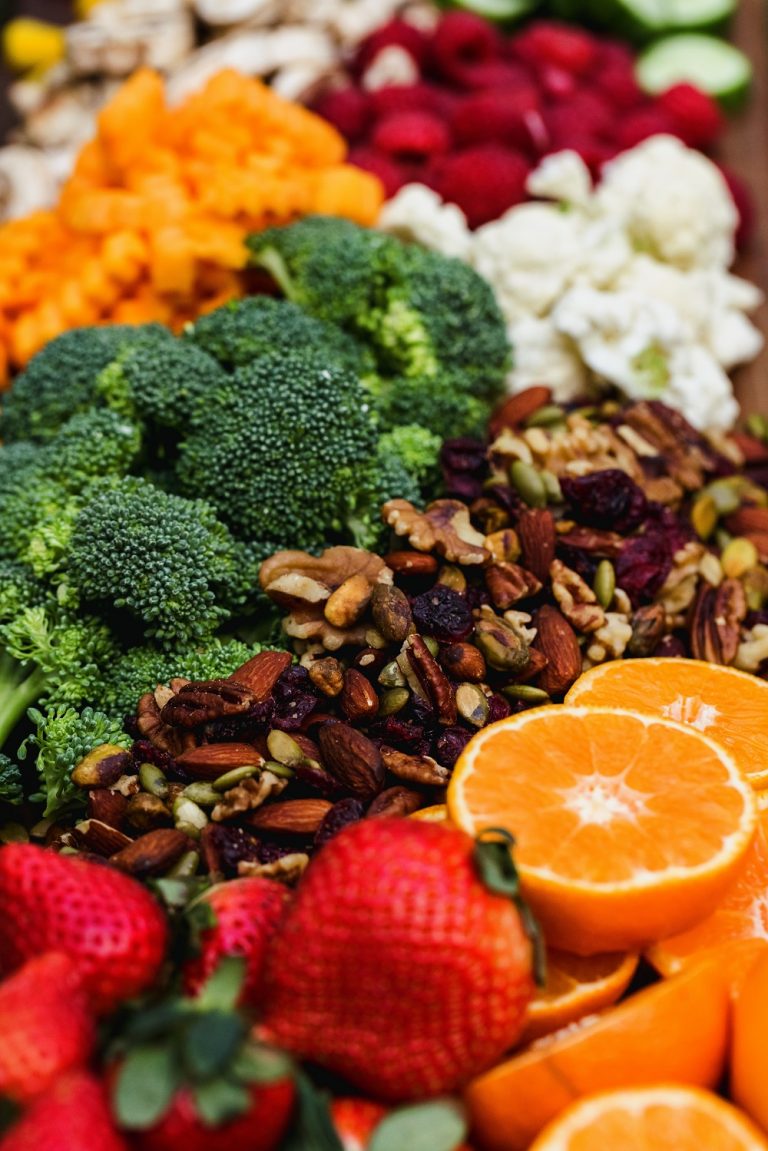
- High-Fiber Foods: Promote healthy digestion and help eliminate toxins. Examples include vegetables, fruits, and whole grains.
- Detoxifying Ingredients: Herbs like dandelion support liver function, aiding in detoxification processes.
Seasonal adjustments are also important. For instance, during hotter months, favour light, cooling foods such as cucumbers and melons to combat internal heat, while incorporating warming foods like ginger during colder seasons can support circulation.
By prioritizing a balanced diet rich in nutrients and mindful of food choices, you can align your dietary habits with TCM principles for clearer skin.
Expected Results and Timeframe for Improvement with TCM Approaches
- Treatment Timeline: Expect visible results typically within one month of starting a TCM regimen.
- Skin Clarity: Improvement of acne may take 3 to 6 months, depending on individual conditions and consistency in following prescribed treatments.
- Factors Influencing Results:
- Severity of acne
- Adherence to dietary recommendations
- Incorporation of herbal medicine and acupuncture
Personalized treatment plans focusing on diet, herbs, and lifestyle changes contribute significantly to achieving clearer skin naturally. Understanding these timelines can help set realistic expectations for your journey toward healthier skin.
If you’re ready to tackle acne naturally, we invite you to schedule a consultation. We are here to help you discover the best treatment plan to suit your unique needs.